How to Easily Diagnose a Slow Drain: Pinpointing the Source (Sink, Toilet, or Main Line)
Simple diagnostic steps help you pinpoint whether your slow drain stems from a single fixture or your home's main line.

Summary:
Understanding Your Home's Drain System
Your home’s plumbing works like a tree. The main sewer line is the trunk, and every sink, toilet, and shower connects to it through smaller branch lines. When water won’t drain properly, the location of the blockage determines how many fixtures it affects.
A clog in a single fixture only impacts that drain. But when the main line gets blocked, every drain in your house starts acting up because they all feed into the same system.
This is why proper drain diagnosis matters. You need to know if you’re dealing with a branch problem or a trunk problem before you start trying to fix anything.

Signs You're Dealing with a Single Fixture Clog
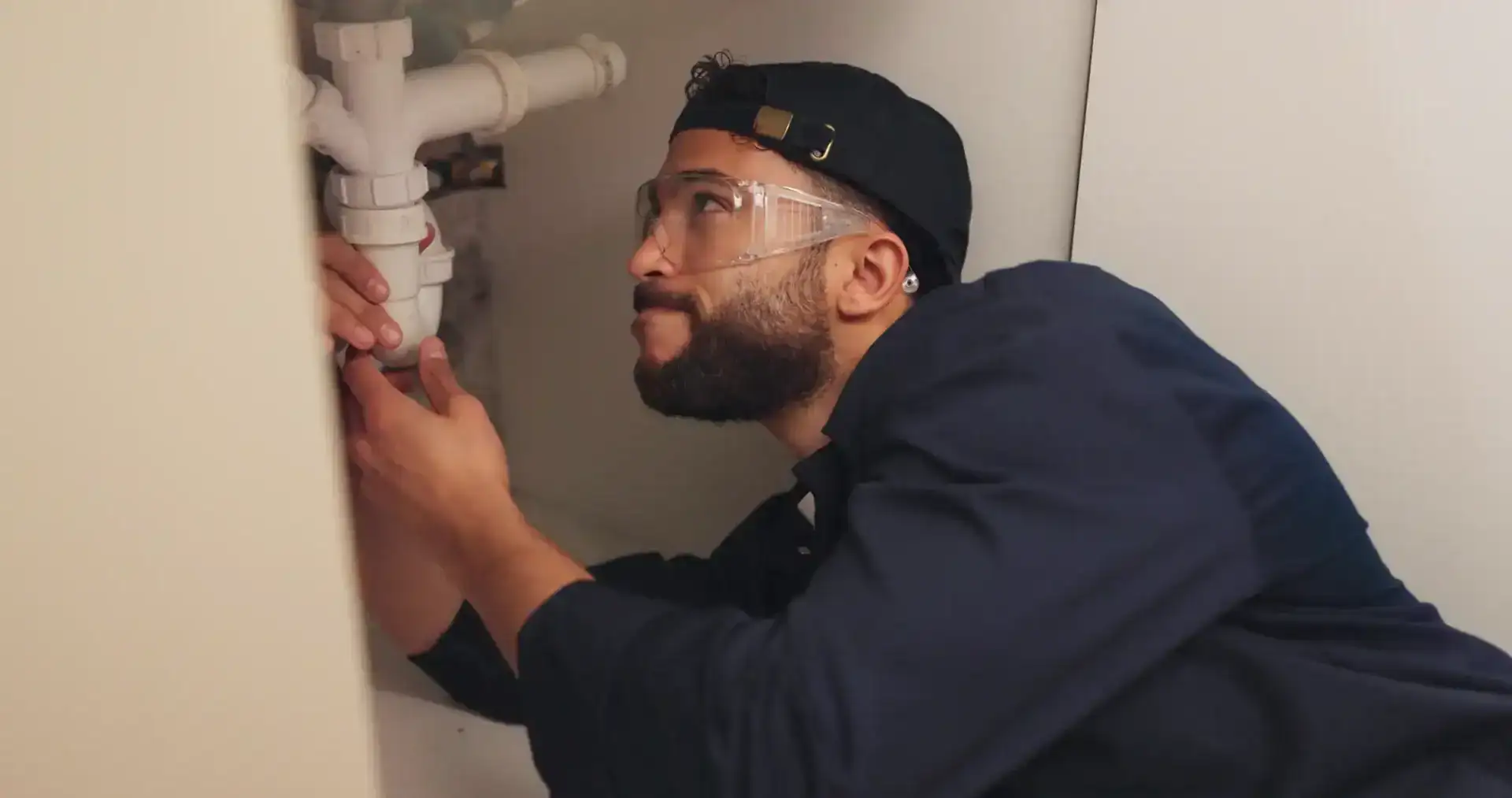
Single fixture clogs are the most common drain problems, and they’re usually the easiest to diagnose and fix. These happen when debris builds up in the drain directly beneath a sink, tub, or toilet.
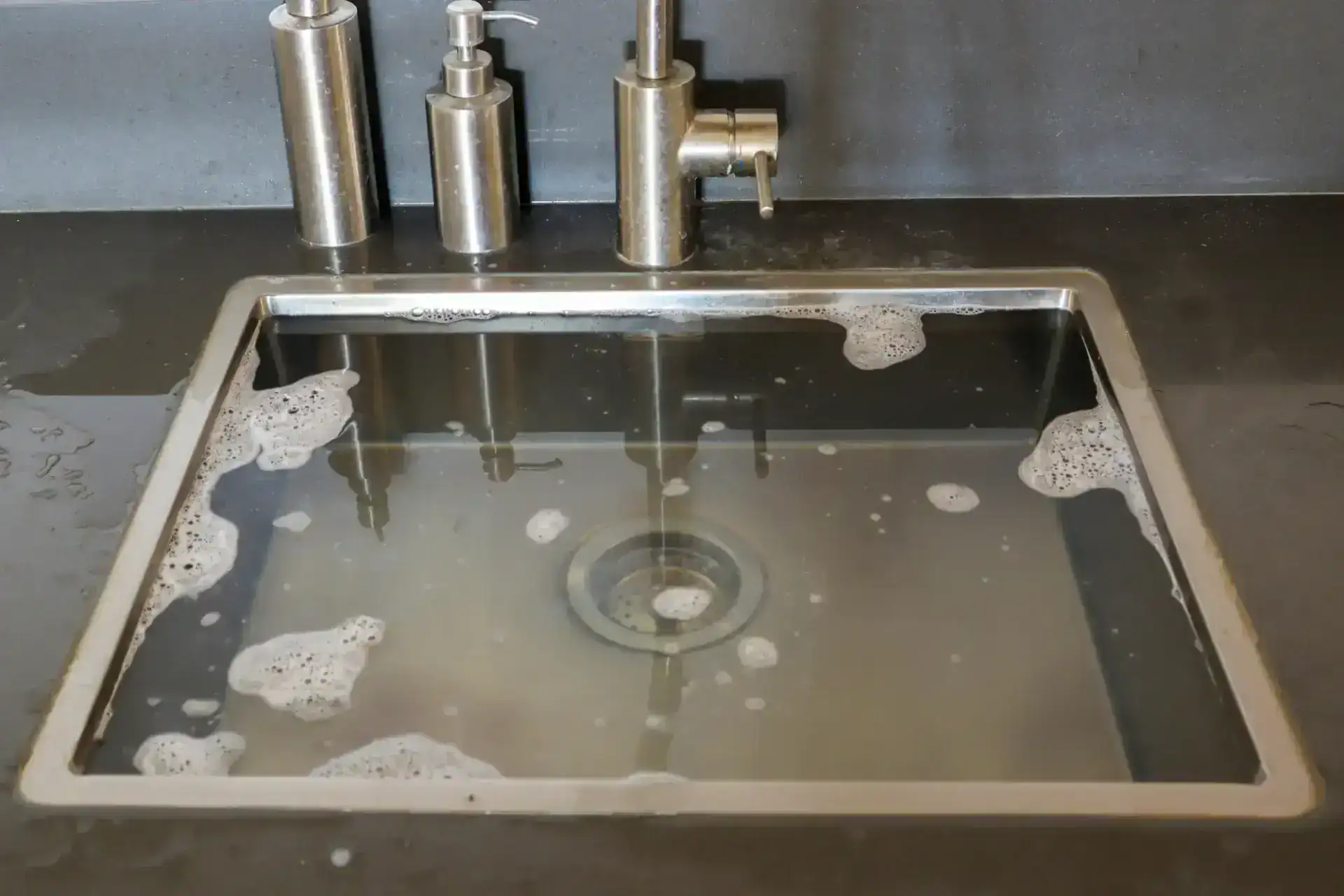
If only one drain in your home is slow while everything else works normally, you’re probably looking at a localized clog. Kitchen sinks get blocked by food particles and grease that solidifies in the pipes. Bathroom sinks typically clog from hair, soap scum, and toothpaste buildup in the trap underneath.
Shower and tub drains collect hair and bath product residue over time. These clogs develop gradually, so you’ll notice the water draining slower and slower until it barely moves at all. You might hear gurgling sounds from that specific drain, but other fixtures stay quiet.
The key indicator is isolation. When your bathroom sink drains slowly but the toilet, shower, and other sinks work fine, the blockage is right there under that specific fixture. Single fixture clogs often respond well to basic clearing methods like plunging or drain snakes.
The problem stays contained to one area, making it manageable for most homeowners to handle without calling a professional.
How to Test if Multiple Fixtures Are Affected
Before you assume you’re dealing with a simple clog, you need to test your entire system. This takes about five minutes and can save you hours of unnecessary work on the wrong problem.
Start by checking every drain in your home. Run water in each sink, flush every toilet, and turn on all showers. Pay attention to how quickly the water drains and listen for any unusual sounds.
Here’s a critical test that reveals main line problems: flush a toilet and immediately check what happens in nearby fixtures. If water backs up into your shower, tub, or bubbles appear in sinks, you’re not dealing with a toilet clog. You’ve got a main line issue that needs different treatment.
Try running water in an upstairs bathroom while someone watches the downstairs fixtures. If a ground-floor toilet gurgles or water appears in a basement floor drain, that’s a clear sign the main sewer line is blocked.
The washing machine test is another reliable diagnostic tool. Run a wash cycle and watch your other fixtures. If toilet water levels rise or sinks start backing up when the washer drains, the main line can’t handle the volume because something is restricting the flow downstream.
Multiple fixtures acting up simultaneously is the clearest indicator of a main sewer line clog. When this happens, stop using water immediately—you’re just adding to the backup and making the problem worse.
Want live answers?
Connect with a ATA's Plumbing expert for fast, friendly support.
Identifying Main Line Clogs
Main line clogs are serious business. They affect your entire home’s drainage system and can cause sewage to back up into your living space if left unchecked.
The most obvious sign is multiple drains backing up at the same time. But main line clogs also create some specific symptoms that single fixture problems never cause.
You’ll notice that using one fixture affects others in unexpected ways. Flushing the toilet might cause your shower drain to gurgle. Running the dishwasher could make your kitchen sink back up. These cross-connections happen because the blockage is downstream from all your fixtures.
Checking Your Sewer Cleanout
Every home has a sewer cleanout—a direct access point to your main sewer line. Finding and checking this pipe gives you definitive proof of a main line clog and is the most reliable diagnostic test you can perform.
Look for a capped PVC or cast iron pipe sticking out of the ground in your yard, usually between your house and the street. In some Pasco County homes, especially older ones built before the 1980s, the cleanout might be in the basement or crawl space.
Remove the cap carefully and look inside. You should see an empty pipe going down into the ground. If water is standing in the cleanout or flowing out when you open it, you definitely have a main sewer line blockage.
This test eliminates guesswork. Clear water in the cleanout usually means your main line is flowing properly, and your drainage issues are probably in individual fixture lines. But if you see sewage or dirty water in the cleanout, stop using all water in your home immediately.
This is a plumbing emergency that requires professional attention. The backup has nowhere to go except into your house through the lowest drains—typically floor drains, basement toilets, or ground-level tubs.
Standing sewage around your cleanout or in your yard is another clear sign of main line failure. This creates health hazards and can cause significant property damage if not addressed quickly by a licensed plumber.
When Drain Problems Indicate Bigger Issues
Some drainage symptoms point to problems beyond simple clogs. Recognizing these signs helps you avoid wasting time on temporary fixes when you need professional diagnosis and repair.
Consistent foul odors coming from multiple drains suggest sewer gas is escaping through your plumbing system. This happens when main line blockages prevent proper venting or when pipes are damaged and leaking underground.
If your drains make gurgling sounds even when you’re not using them, air is trapped in your system. This often indicates partial main line blockages that are getting worse over time and will eventually cause complete backups.
Water backing up in unexpected places is always a red flag. When you flush a toilet and water appears in your basement floor drain, or when running the washing machine causes your kitchen sink to overflow, the main sewer line isn’t handling normal flow.
In Pasco County’s older homes, these problems often stem from aging infrastructure. Clay pipes installed decades ago crack and allow tree roots to invade the line. Cast iron pipes corrode from the inside out, restricting flow. Even newer plastic pipes can be damaged by shifting soil or improper installation.
Recurring clogs in the same location might indicate pipe damage rather than simple blockages. If you’re constantly clearing the same drain every few months, something is wrong with that section of pipe that keeps causing debris to collect there.
Florida’s weather patterns can also reveal hidden problems. Pipes that work fine most of the year might back up during heavy rains when groundwater infiltrates through cracks, reducing the pipe’s capacity to handle normal drainage.
Customer Testimonials
Making Smart Decisions About Drain Diagnosis
Proper drain diagnosis saves you time, money, and frustration. When you know whether you’re dealing with a single fixture clog or a main line issue, you can choose the right solution instead of guessing and potentially making the problem worse.
Single fixture problems are often manageable with basic tools and techniques. Main line issues require professional equipment and expertise to resolve safely and permanently without damaging your plumbing system.
The key is being honest about what you’re seeing. Multiple fixtures backing up simultaneously, water appearing in unexpected places, and sewage in your cleanout all point to main line problems that need immediate professional attention.
When you’re ready for expert diagnosis and reliable solutions, we at ATA’s Plumbing have been serving Pasco County homeowners since 2013. We understand the unique challenges of aging homes and Florida’s conditions, and we’ll give you straight answers about what’s happening with your drains.
Article details:
- Published by:
- Published to:
- Last modified:
- January 15, 2026
Continue learning: