Hard water in Pasco County damages pipes, shortens appliance life, and drives up utility bills. Discover proven solutions to protect your plumbing system.
Summary:
Hard water contains high levels of dissolved minerals, primarily calcium and magnesium. When water evaporates, these minerals don’t disappear. They stay behind as deposits that build up over time, creating hard water plumbing problems throughout your home.
Think about what you see on the outside of your faucets. That white, crusty residue is mineral buildup. Now think about what’s happening inside your pipes where you can’t see it or clean it.
Those same calcium deposits accumulate on the interior walls of your pipes. Over time, this buildup narrows the opening and reduces water flow. It doesn’t usually block pipes completely, but it decreases water pressure and increases the odds of developing clogs. More importantly, it creates conditions that accelerate plumbing corrosion at joints and connections where leaks typically start.
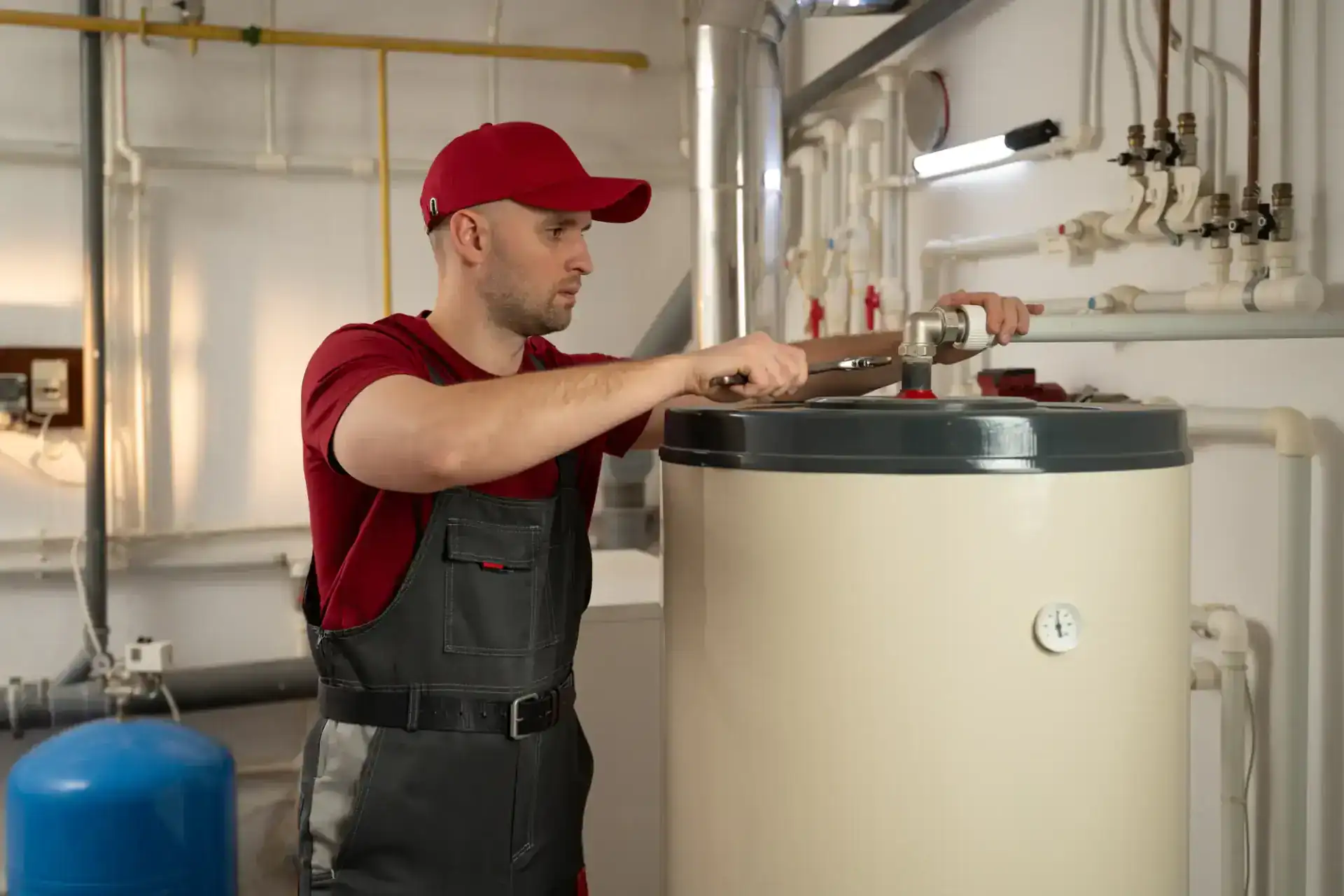
Your water heater takes the hardest hit from mineral-heavy water. When hard water gets heated, the minerals precipitate out and form limescale. This chalky substance accumulates inside the tank and on heating elements.
Here’s why that matters. The limescale acts as insulation between the heating element and the water. Your water heater has to work harder and longer to heat the same amount of water. According to the U.S. Department of Energy, this buildup can reduce your water heater’s lifespan by 25-40% and make it significantly less efficient.
The same process damages other appliances. Dishwashers develop mineral deposits that prevent proper cleaning. Washing machines accumulate buildup that makes them work harder and produces dingy-looking clothes. Coffee makers, ice makers, and any appliance that uses water becomes less efficient over time.
In Pasco County, where our groundwater from the Floridan Aquifer is naturally high in minerals, this isn’t a maybe. It’s happening right now in homes across the area. The question isn’t whether hard water affects your appliances. It’s how much damage has already occurred and what you’re going to do about it.
Most homeowners don’t realize the extent of the problem until an appliance fails prematurely. A water heater that should last 10-12 years quits after 6 or 7. A dishwasher starts leaving white film on everything. A washing machine that’s only a few years old stops draining properly. These aren’t manufacturing defects. They’re symptoms of hard water damage that’s been building up since installation.
If your home was built during the 1990s construction boom, you’re dealing with plumbing that’s reaching a critical age. Under normal circumstances, household plumbing should last about 50 years. But hard water buildup can shorten that lifespan significantly.
Pasco County, FL homes face a double challenge. The plumbing infrastructure is aging naturally, and decades of Florida’s hard water exposure have left mineral deposits throughout the system. Galvanized pipes, common in homes from this era, are particularly vulnerable. The protective zinc coating wears off over time, exposing the underlying iron to both rust and mineral buildup.
You’ll notice the problems gradually. Water pressure drops because mineral deposits have narrowed the pipe openings. Hot water takes longer to reach faucets because buildup in the water heater slows heating. Drains that used to work fine start running slower because scale provides a surface for debris to catch on.
The real concern is what you can’t see. Mineral deposits create rough surfaces inside pipes where bacteria can grow. They cause pitting in metal pipes, which leads to weak spots. When pressure builds in a clogged section, those weak spots become leaks. Small leaks turn into water damage. Water damage turns into mold growth and structural issues.
Many Pasco County homeowners discover these problems during a plumbing emergency. A pipe bursts. A water heater floods the garage. The main line backs up. At that point, you’re looking at emergency repair costs and dealing with water damage on top of the plumbing issue itself. The cost to fix major hard water damage typically ranges from $3,000 to $15,000, including new pipes, water heater replacement, and appliance repairs.
That’s why plumbing corrosion prevention matters. Regular maintenance and water treatment aren’t just about convenience. They’re about protecting your home investment and avoiding the kind of expensive disasters that insurance often won’t cover because they’re considered maintenance issues.
Want live answers?
Connect with a A.T.A’s Plumbing expert for fast, friendly support.
Hard water leaves clear warning signs long before major damage occurs. The trick is recognizing them for what they are and not dismissing them as minor annoyances.
White or yellowish crusty buildup on faucets and showerheads is the most obvious indicator. If you see mineral deposits on the outside of fixtures, you can bet there’s buildup on the inside of pipes. Spotty dishes and glassware, even after washing, signal that your dishwasher is fighting hard water. Soap scum that builds up quickly in showers and tubs means minerals are interfering with how soap rinses away.
But the signs go beyond what’s visible. Declining water pressure throughout your home suggests mineral buildup is restricting flow inside pipes. Water heaters that make rumbling or popping noises are telling you that mineral deposits have accumulated at the bottom of the tank. Appliances that break down sooner than expected often fail because of scale buildup damaging internal components.
If you want to know exactly what you’re dealing with, testing your water gives you concrete information. You can start with a simple DIY test. Fill a clear bottle halfway with water, add a few drops of plain soap, and shake it vigorously for 15-30 seconds. If the water gets cloudy and milky without producing much lather, you have hard water. Soft water produces lots of suds and stays relatively clear.
That test tells you whether you have a problem, but it doesn’t tell you how severe it is. For that, you need actual measurements. Water hardness is measured in grains per gallon (GPG) or parts per million (PPM). Water with a hardness reading of 7 GPG or 120 PPM is considered hard and would benefit from treatment. Many areas of Pasco County, FL measure significantly higher than that.
Professional water testing provides the most accurate results. A plumber or water treatment specialist can test for hardness levels, pH, iron content, and other factors that affect your plumbing. This information helps determine what type of treatment system makes sense for your specific situation.
In Pasco County, we know the water is hard. Data from the New Port Richey area shows hardness averaging 216 PPM, with Total Dissolved Solids at 700 PPM. That exceeds the EPA’s secondary standard of 500 PPM. If you live in the area and haven’t addressed hard water, it’s affecting your plumbing whether you’ve noticed obvious signs yet or not.
The question isn’t really whether your water is hard. It’s how hard it is and what level of treatment you need. A basic water softener might be sufficient for moderately hard water. Extremely hard water might require a more robust system or additional treatment methods. Testing removes the guesswork.
A water softener is the most effective long-term solution for protecting your plumbing system from hard water damage. These systems use ion exchange technology to remove calcium and magnesium before water flows through your pipes. Sodium or potassium ions replace the hardness minerals, preventing them from depositing on surfaces.
The water softener benefits go beyond just preventing buildup. Water heaters operate about 29% more efficiently when they’re not fighting mineral deposits. That translates directly to lower energy bills. Appliances last longer because they’re not being damaged by scale. In fact, properly treated water can extend appliance lifespan by 30-50%.
You’ll notice improvements throughout your home. Soap and shampoo work better because they’re not reacting with minerals. Dishes come out of the dishwasher without spots. Laundry feels softer and colors stay brighter. Your skin and hair won’t have that dry, filmy feeling that hard water leaves behind.
For Pasco County homes, especially those built in the 1990s with aging plumbing, a water softener isn’t a luxury. It’s a practical investment that protects expensive infrastructure. The cost of a professional water softener system typically ranges from a few hundred to several thousand dollars depending on your home’s size and water usage. That might seem like a significant expense until you compare it to the cost of replacing a water heater ($1,200-$3,000), repairing corroded pipes ($2,000-$10,000), or replacing appliances that failed prematurely.
Salt-based water softeners are most effective for severe hard water conditions like those common in our area. They require periodic maintenance, mainly refilling the salt tank and occasional system checks. Salt-free alternatives exist, using technologies like Template Assisted Crystallization that prevent minerals from forming scale without removing them from the water. These work well for moderate hardness and appeal to homeowners concerned about sodium in their water.
The right system depends on your specific water conditions, household size, and budget. That’s where professional consultation helps. A plumber who understands local water conditions can test your water, assess your plumbing, and recommend a system sized appropriately for your needs. They’ll install it correctly, show you how to maintain it, and make sure it’s working properly from day one. Knowing how to treat hard water effectively means choosing the right solution for your specific situation.
Customer Testimonials
Hard water damage doesn’t happen overnight, but it adds up. The mineral deposits building up in your pipes right now will eventually cause problems. The question is whether you’ll address it before or after expensive damage occurs.
If you’re seeing signs of hard water in your home, or if you just want to protect your plumbing system and appliances, testing your water is the logical first step. Once you know what you’re dealing with, you can make informed decisions about treatment options that make sense for your situation and budget.
For Pasco County homeowners dealing with aging infrastructure and mineral-heavy groundwater, this isn’t something to put off. The homes built during the 1990s construction boom are reaching the age where plumbing problems become more common and more expensive. Proactive treatment now prevents emergency repairs later.
If you need honest guidance about your plumbing system and water quality, we’ve been helping Pasco County homeowners with these exact challenges since 2013. We’ll test your water, assess your plumbing, explain your options clearly, and help you make the right decision for your home.
Article details:
Continue learning: