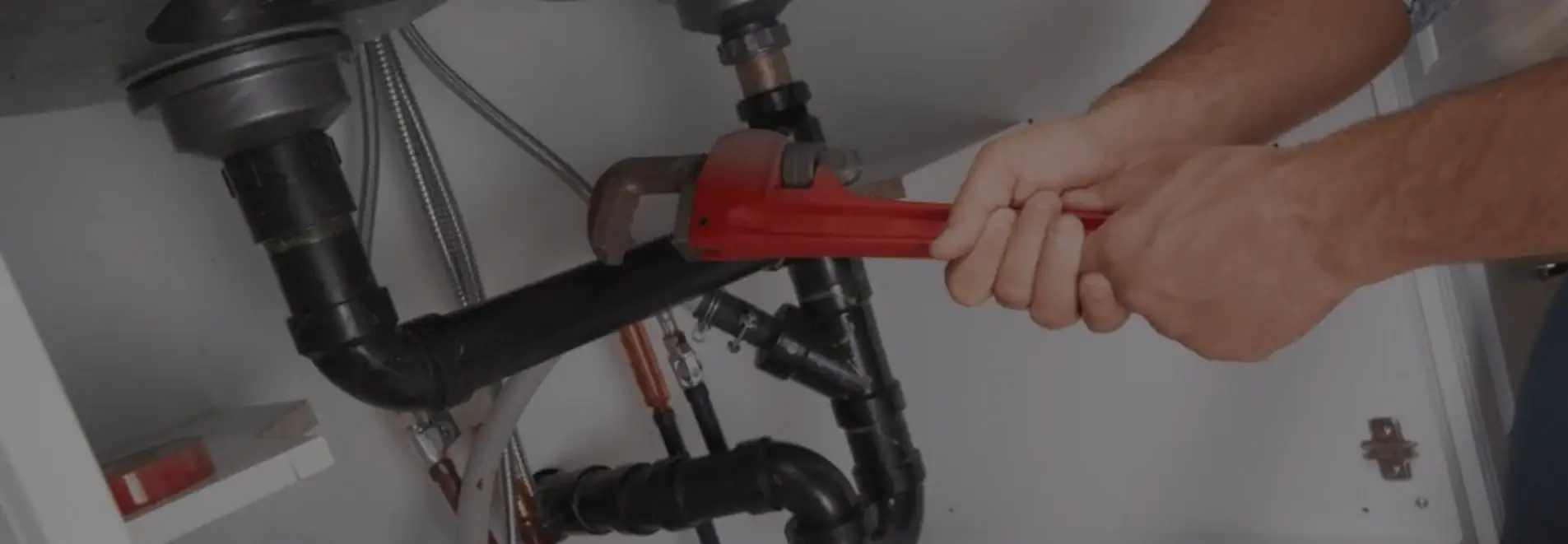
Not sure if that drip needs a plumber or just a wrench? Learn how to diagnose the most common plumbing problems and when DIY stops being smart.

Summary:
Before you can fix anything, you need to know what you’re dealing with. Most plumbing problems announce themselves pretty clearly—drips, running water, weak pressure, bad smells. The trick is figuring out whether what you’re seeing is the actual problem or just a symptom of something else.
Start by paying attention to patterns. Is it happening in one fixture or multiple locations? Did it start suddenly or get worse gradually over weeks? Is it constant or does it come and go? These details matter because they point you toward the real source of the trouble, not just where symptoms show up.
In Pasco County, FL, the age of your home makes a real difference. Houses built before the 1980s often have original plumbing reaching the end of its 40-60 year lifespan. Homes from the 1990s construction boom face their own predictable issues with aging materials. Knowing your home’s history helps you anticipate what might be failing and why.
A dripping faucet wastes up to 3,000 gallons of water per year. That’s water you’re paying for going straight down the drain. The good news is that most leaky faucets come down to worn-out parts that are relatively easy to replace if you’re comfortable with basic tools.
The usual culprits are washers and O-rings inside the faucet assembly. These rubber seals deteriorate over time, especially in Florida where hard water accelerates wear. When they fail, water seeps through even when the faucet is “off.” If you remove the faucet handle and see worn or cracked rubber parts, replacing them often solves the problem completely. Hardware stores sell faucet repair kits for common brands, and the job typically takes 15-30 minutes.
But here’s where it gets tricky. If replacing those parts doesn’t stop the drip, or if you notice corrosion around the faucet base, the problem runs deeper. Corroded valve seats or damaged faucet bodies mean you’re looking at a full faucet replacement, not just a washer swap. And if you’re seeing leaks from pipes rather than fixtures, that’s a different situation entirely.
Leaky pipes are more serious. A small drip today can become a burst tomorrow, especially in older Pasco County, FL homes where pipes are already compromised by decades of hard water exposure. If you can see where a pipe is leaking and it’s just a loose connection, tightening it might work. But if the leak is coming from the pipe itself—corrosion, pinhole leaks, or cracks—that section needs to be cut out and replaced properly.
This isn’t a DIY job for most homeowners. It requires cutting pipes, proper fitting, and making sure everything’s sealed correctly to code. Get it wrong and you’re dealing with water damage, mold, and repairs that cost far more than the original plumbing service would have.
In older homes throughout Pasco County, FL, pinhole leaks in copper pipes are increasingly common. The combination of hard water averaging 216 PPM and chlorinated municipal supply creates perfect conditions for internal pipe corrosion. You might fix one leak only to have another pop up nearby because the whole section is deteriorating. We can assess whether you’re dealing with an isolated problem or if it’s time to consider repiping sections of your home.
Water stains on ceilings or walls are red flags for hidden leaks. Don’t wait on those. Water damage spreads fast, creates mold problems, and weakens structural materials. Finding and fixing hidden leaks requires experience and sometimes specialized equipment to locate the source without tearing apart your walls unnecessarily.
A toilet that won’t stop running can waste 200 gallons of water per day. The sound alone drives people crazy, but the real pain shows up on your water bill. Fixing this common plumbing problem is usually straightforward once you understand what’s happening inside the tank.
Most running toilet problems come down to three components: the flapper, the fill valve, or the overflow tube. The flapper is that rubber seal at the bottom of the tank that lifts when you flush and then drops back down to stop water flow. Over time, flappers get warped, cracked, or covered in mineral deposits from hard water. When they don’t seal properly, water continuously leaks from the tank into the bowl.
Replacing a flapper is genuinely simple. Turn off the water supply to the toilet, flush to empty the tank, unhook the old flapper, and snap a new one in place. Make sure you get the right type for your toilet model. The whole job takes maybe 10 minutes. If that fixes the running, you’re done.
The fill valve controls water flowing into the tank after you flush. If it’s malfunctioning, the tank might not fill to the right level, or it might keep filling indefinitely. You can try adjusting the float arm first—that’s the mechanism that tells the fill valve when to stop. If adjustment doesn’t help, replacing the fill valve is the next step. It’s more involved than a flapper but still manageable for someone comfortable with home plumbing troubleshooting.
Now let’s talk about low water pressure because it’s one of the most frustrating plumbing issues and can point to several different problems. If the low pressure is isolated to one faucet or showerhead, start with the simplest explanation: a clogged aerator. That’s the little screen at the end of your faucet. Unscrew it, clean out the mineral deposits, and screw it back on. Same goes for showerheads—they collect buildup from hard water. Soaking them in vinegar helps dissolve the minerals.
But if low water pressure affects multiple fixtures or your whole house, you’re dealing with something bigger. It could be a partially closed main water valve—check that first because it’s an easy fix. If the valve is fully open and pressure is still low, the problem might be inside your pipes.
In Pasco County, FL, mineral buildup inside pipes is a major cause of reduced water pressure. Florida’s hard water deposits scale on pipe walls over time, gradually narrowing the diameter and restricting flow. This happens slowly over years, so you might not notice until pressure has dropped significantly. Professional cleaning or, in severe cases, repiping might be necessary to restore proper flow.
Leaks anywhere in your system also reduce pressure. Even small leaks you can’t see are diverting water and dropping the pressure at your fixtures. If you’ve ruled out clogged aerators and your main valve is open, but pressure is still weak throughout your home, it’s time to call someone who can properly diagnose where water is going that it shouldn’t be.
Another possibility is problems with your pressure regulator if your home has one. This device controls the pressure coming from the municipal supply. If it fails, you might have pressure that’s too high—which damages fixtures and pipes—or too low, which is what you’re noticing. Testing and adjusting pressure regulators isn’t something most homeowners should attempt because getting it wrong creates new problems.
Want live answers?
Connect with a A.T.A’s Plumbing expert for fast, friendly support.
There’s a line between “I can handle this” and “I’m about to make this worse.” Knowing where that line is saves you money, time, and the frustration of turning a small problem into an expensive disaster.
Some situations are obvious. Burst pipes flooding your home, no water anywhere, sewage backing up—those are emergencies that need professional help immediately. But plenty of other scenarios aren’t as clear-cut, and that’s where homeowners get into trouble by either calling too soon or waiting too long.
A good rule: if you’ve tried the basic fix and it didn’t work, or if you’re not completely confident you understand what’s wrong, call someone. The cost of a plumbing service call is almost always less than the cost of fixing what happens when you guess wrong with plumbing repairs.
Multiple drains backing up at the same time means the problem isn’t in one fixture—it’s in your main sewer line. This isn’t something you can plunge away or fix with drain cleaner. Tree roots, collapsed pipes, or major blockages deep in the system require professional equipment like sewer cameras and hydro-jetting to diagnose and clear properly.
If you’re smelling sewage anywhere in your home, that’s not just unpleasant—it’s potentially dangerous. Sewer gas contains methane and hydrogen sulfide, which are health hazards. The smell means gases are escaping somewhere they shouldn’t, whether from a dried-out P-trap, a broken wax seal around your toilet, a cracked vent pipe, or a compromised sewer line. Finding the source requires expertise because the problem could be anywhere in your drainage system.
Plumbing odors are one of the most common complaints homeowners have, but they always indicate something’s wrong. A dry P-trap is the easiest fix—just run water to refill it. But persistent sewage smells despite running water mean you need professional diagnosis to find whether it’s a venting issue, biofilm buildup, or actual sewer line damage.
Discolored water is another red flag. Brownish or reddish water usually means rust and corrosion somewhere in your pipes. This is especially common in older Pasco County, FL homes with original plumbing from the 1970s or 80s. The discoloration you’re seeing is telling you that pipes are deteriorating from the inside. Left alone, corroded pipes lead to leaks and eventually burst. We can determine how widespread the corrosion is and whether you need selective repairs or more extensive repiping.
No water at all, or sudden dramatic drops in pressure throughout your home, could indicate a major leak, a problem with the main supply line, or issues with the municipal water system. These aren’t DIY situations. You need someone who can trace the problem to its source and determine whether it’s on your property or the utility company’s responsibility.
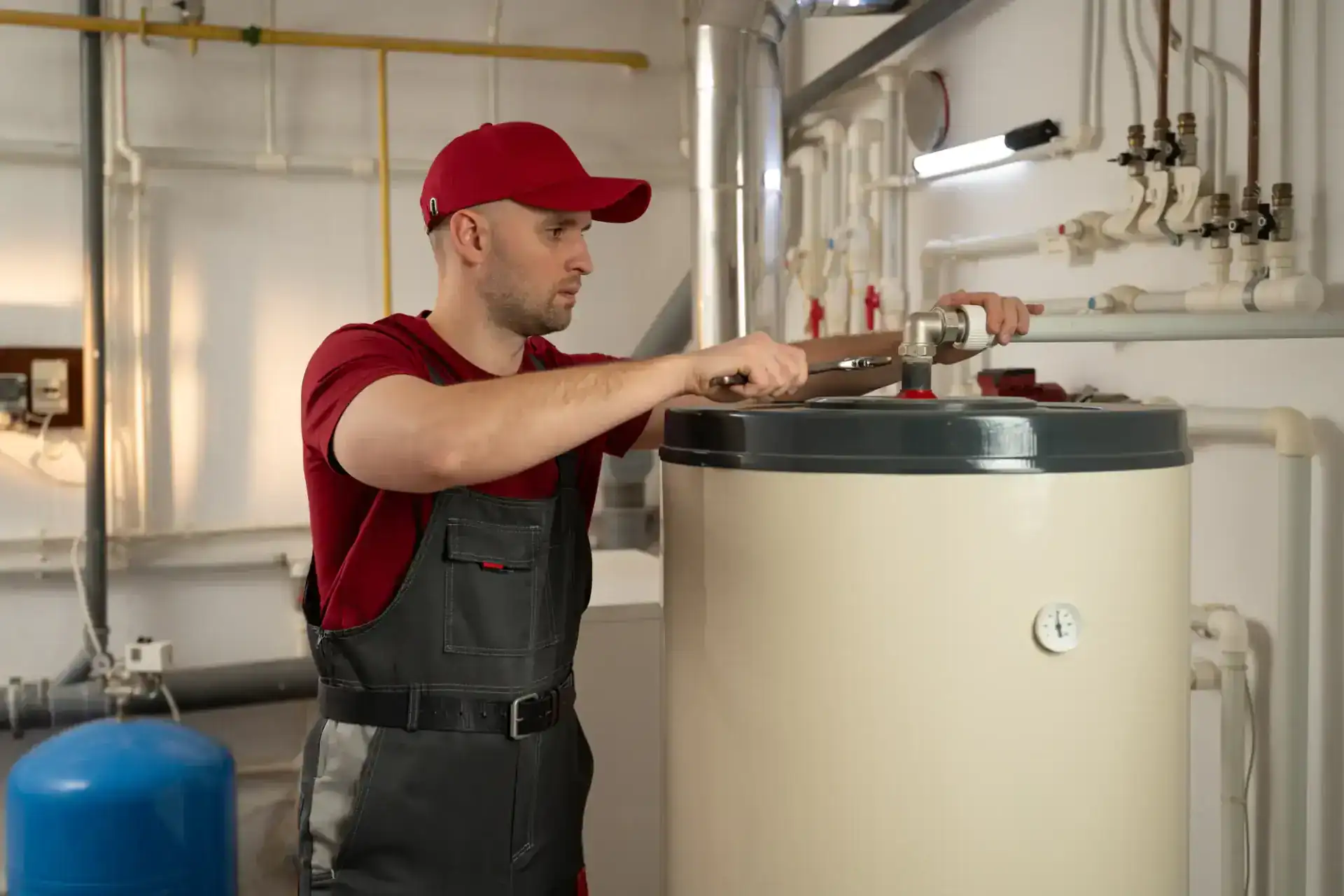
Water heater problems deserve professional attention for safety reasons. Water heaters involve both water and either electricity or gas—combinations that can be dangerous if handled incorrectly. If your water heater is leaking, making strange noises, producing inconsistent temperatures, or showing any signs of failure, call a licensed plumber with proper certifications. In Pasco County, FL, permits are required for water heater installation and replacement, and work must meet current safety codes.
Anything involving gas lines must be handled by licensed professionals. It’s actually illegal for unlicensed individuals to work on gas lines, and for good reason. Even small gas leaks can cause fires or explosions. If you smell gas, evacuate immediately and call for help from outside your home. Don’t flip light switches, don’t light anything, don’t do anything that could create a spark.
If your home was built before the 1980s, you’re likely dealing with plumbing that’s reached or exceeded its expected lifespan. Cast iron pipes, common in homes from that era, typically last 40-60 years. Original copper pipes can corrode internally, especially with Florida’s hard water and chlorinated municipal supply creating the perfect storm for deterioration. Galvanized steel pipes, if you still have them, are probably causing low pressure and discolored water.
The 1990s construction boom in Pasco County, FL created another set of plumbing issues. Many homes from that period used polybutylene (PB) pipes, which were marketed as “the pipe of the future” but turned out to be prone to failure. If you have gray or blue PB pipes, they’re a ticking time bomb. They become brittle over time and can fail suddenly, causing significant water damage.
Aging homes also face problems with sewer lines and drain systems. Clay or cast iron sewer pipes crack, develop bellies—sagging sections that collect standing water—and get invaded by tree roots seeking moisture. Without regular camera inspections, sewer line failure often goes undetected until you have a backup. By then, you’re dealing with an emergency plumbing situation rather than a preventable repair.
Florida’s high humidity—Pasco County, FL ranks second in the nation at 74.5% relative humidity—accelerates corrosion of metal pipes and fixtures. Moisture in the air combines with oxygen to speed up oxidation, leading to rust and weakening materials. This affects everything from your supply lines to the hardware on your fixtures. It’s why plumbing problems in Florida homes often progress faster than in drier climates.
Hard water is another constant challenge for home plumbing systems. Pasco County’s water averages 216 parts per million of minerals, which is considered very hard. Those minerals deposit inside pipes, reducing diameter and flow over time. They coat fixtures and appliances, shortening their lifespan. Water heaters in particular suffer from sediment buildup that reduces efficiency and eventually causes complete failure.
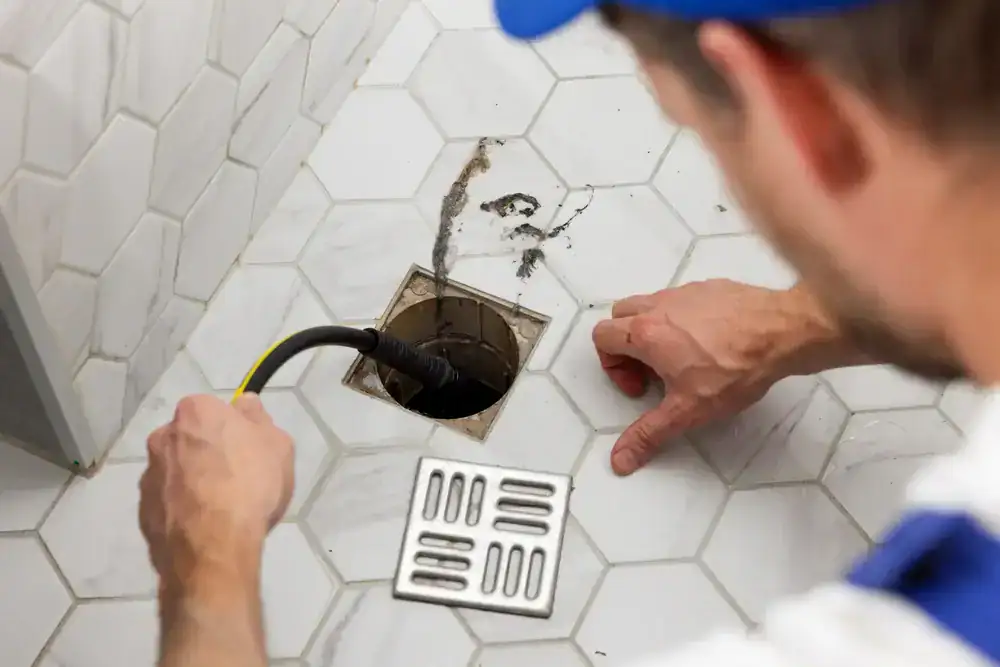
Clogged drains are more frequent in hard water areas too. The mineral deposits combine with soap residue, hair, and other debris to create stubborn blockages. What starts as slow drainage gradually becomes a complete clog if not addressed. Regular drain cleaning—whether DIY methods like baking soda and vinegar or professional hydro-jetting—helps prevent the buildup before it becomes a problem.
Understanding these local factors helps you anticipate plumbing issues before they become emergencies. If you’re in an older home and haven’t had a plumbing inspection recently, it’s worth getting one. We can identify problems in the early stages when repairs are still manageable and affordable, rather than waiting until something fails at the worst possible time.
Regular maintenance makes a real difference. Flushing your water heater annually to remove sediment, cleaning aerators and showerheads to prevent mineral buildup, checking for small leaks before they become big ones, and being mindful about what goes down your drains all extend the life of your plumbing system. In Florida’s challenging conditions, a little prevention goes a long way toward avoiding expensive emergency plumbing repairs.
Customer Testimonials
Plumbing problems are part of homeownership, especially in Pasco County, FL where aging homes and Florida’s hard water create ongoing challenges. The key is knowing what you can reasonably handle yourself and when to bring in someone with the expertise and equipment to do it right the first time.
Simple issues like replacing a worn flapper, cleaning a clogged aerator, or tightening a loose pipe fitting are genuinely DIY-friendly if you’re comfortable with basic tools and understand what you’re doing. But anything involving hidden leaks, sewer lines, water heaters, gas lines, or situations where your initial fix didn’t work—those need professional attention from a licensed plumber.
Don’t let small plumbing issues turn into expensive emergencies because you waited too long or tried to fix something beyond your skill level. And don’t overpay for simple repairs you could have handled yourself. Understanding the difference is what saves you money and headaches in the long run. If you’re dealing with plumbing problems you’re not sure how to diagnose or fix, we’ve been helping Pasco County homeowners since 2013 with honest assessments, transparent pricing, and solutions that actually fix the problem instead of just patching it temporarily.
Article details:
Continue learning: