Deciding between fixing or replacing plumbing fixtures doesn't have to be complicated. Learn the signs that point to repair versus replacement in Pasco County homes.

Summary:
The decision between repairing and replacing plumbing fixtures comes down to three main factors: age, cost, and performance. A five-year-old faucet with a worn washer? That’s an easy repair. A fifteen-year-old water heater that’s leaking and barely producing hot water? That’s screaming for replacement.
Here’s a practical rule that helps cut through the confusion. If the repair costs more than half of what a new fixture would cost, replacement usually makes more financial sense. You’re essentially paying replacement-level money for a temporary fix on an aging system that will likely need more repairs soon.
The age of your fixtures matters more than most homeowners realize. Even if something still works, materials break down over time. Seals wear out. Mineral deposits build up. Corrosion weakens connections. What looks fine on the surface might be costing you money in wasted water or putting stress on your entire plumbing system.

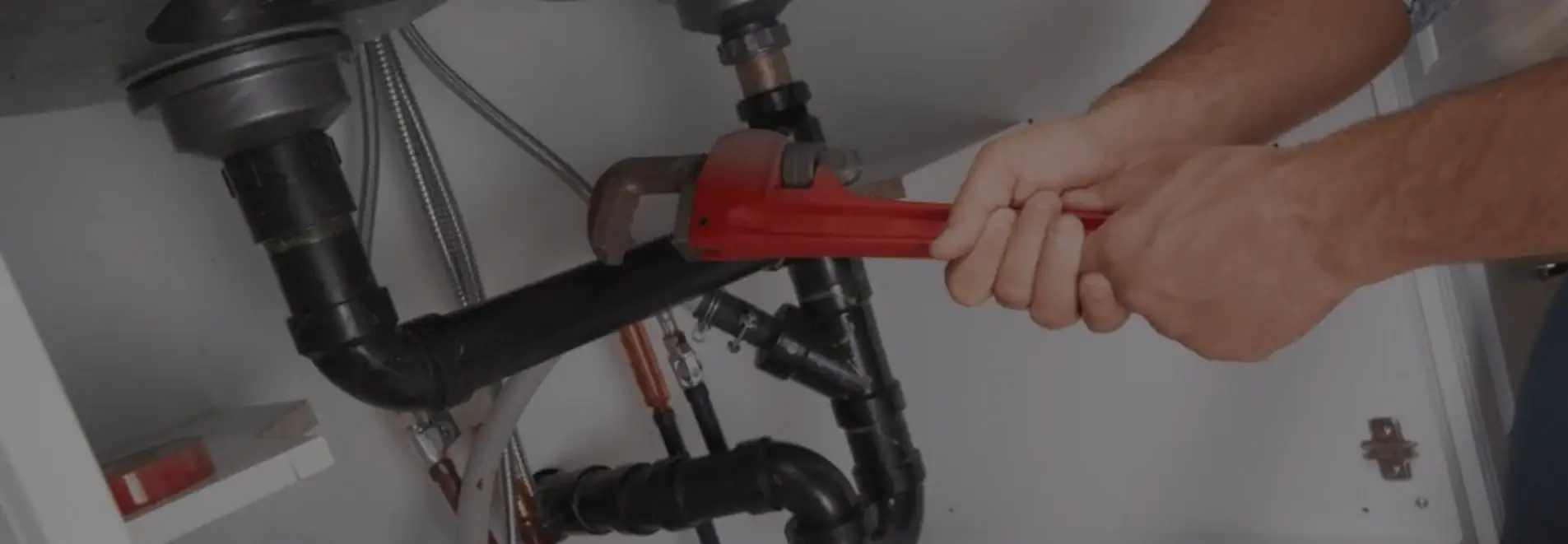
Some plumbing problems are genuinely fixable without breaking the bank. A dripping faucet often just needs a new washer or O-ring. A running toilet might only need a flapper replacement. These are the repairs that make sense because they’re quick, inexpensive, and actually solve the problem for years to come.
Repairs work best when your fixtures are relatively new and the issue is isolated. If your bathroom faucet is only a few years old and starts dripping, replacing a worn cartridge is straightforward. The fixture still has plenty of life left, and you’re addressing a specific component failure rather than system-wide deterioration.
The key question is whether you’re fixing a problem or just delaying the inevitable. If you’ve already had the same fixture repaired twice in the past year, you’re not solving anything. You’re just throwing good money after bad while the underlying issue continues to worsen.
Minor leaks, loose handles, or reduced water pressure can often be fixed by replacing internal parts. But if you notice visible corrosion, cracks in the fixture body, or rust staining, those are signs that the fixture itself is breaking down from the inside. No amount of washer replacement will fix metal that’s corroding away.
Think about how the fixture has been performing overall. Has it been reliable for years with just this one issue? Or has it become a recurring problem that keeps bringing you back to the hardware store every few months? Reliable fixtures with a single problem are worth repairing. Problem children that constantly need attention are worth replacing.
Professional assessment helps here more than most people realize. What looks like a simple leak to you might actually be a symptom of internal corrosion that we can spot immediately. Getting an honest opinion from someone who’s seen hundreds of these situations gives you the information you need to make a smart decision instead of a hopeful guess.
Constant repairs are the clearest sign that replacement makes more sense than another fix. If you’re calling for service multiple times a year for the same fixture, you’re spending repair money on something that needs to be replaced. Those service calls add up fast, and you’re still left with an aging fixture that will fail again.
Visible damage tells you everything you need to know. Cracks in porcelain toilets can’t be repaired. Corrosion on faucet bodies will only spread. Rust staining around connections means the metal is breaking down internally. These aren’t cosmetic issues that you can ignore. They’re structural failures that will get worse and potentially cause water damage if left unaddressed.
Age matters even when everything seems fine. Most plumbing fixtures have expected lifespans, and pushing them past that point is risky. Water heaters typically last eight to twelve years. Faucets and showerheads perform well for about fifteen years before internal components start failing regularly. Toilets can last much longer, but if yours is from the early 1990s or before, it’s using significantly more water than modern efficient models.
Performance issues that don’t respond to simple fixes signal deeper problems. If your water pressure stays low even after cleaning aerators, the issue is likely internal corrosion restricting flow. If your water heater can’t maintain temperature despite thermostat adjustments, the heating elements or tank itself are failing. If your toilet requires multiple flushes regularly, the internal mechanisms are worn out.
Outdated fixtures cost you money every single month through wasted water and energy. Older toilets use three and a half gallons per flush compared to modern models that use less than one and a half gallons. That difference adds up to thousands of gallons per year in a typical household. Old faucets and showerheads waste water the same way, and inefficient water heaters waste energy heating water that sits unused in tanks.
Water quality changes are serious warning signs. If your hot water starts looking rusty or smelling metallic, the inside of your water heater tank is corroding. If you see sediment in your water, mineral buildup has reached levels that affect performance and water quality. These problems don’t get better with time. They get worse, and they can contaminate your water supply until you address them.
Frequent breakdowns mean the fixture has reached the end of its useful life. When you’re repairing something twice a year or more, you’re not maintaining a functional fixture. You’re keeping a failing system limping along while spending money that would be better invested in a reliable replacement that will actually work properly for the next decade or more.
Want live answers?
Connect with a A.T.A’s Plumbing expert for fast, friendly support.
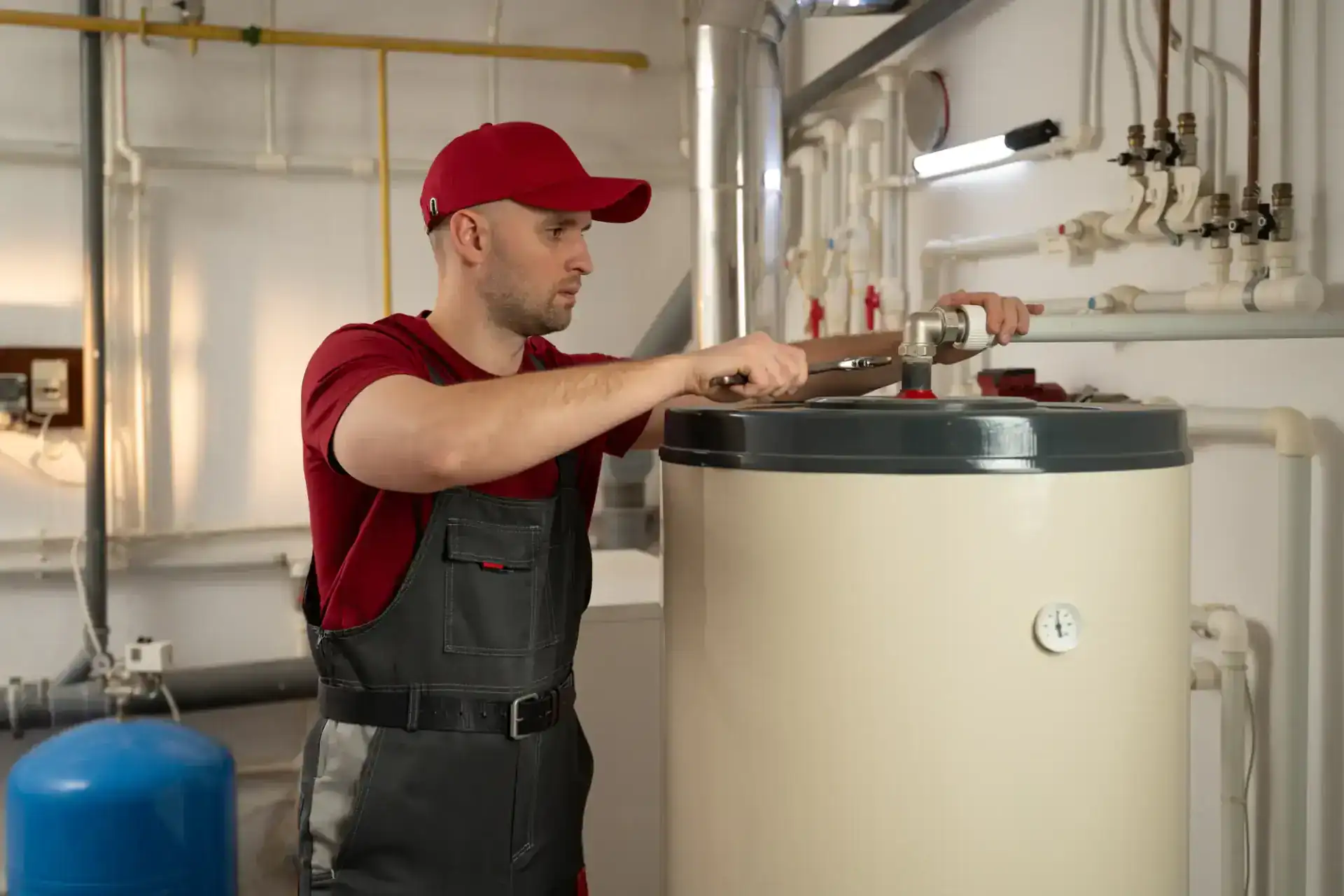
Water heaters deserve special attention because they’re expensive to replace but even more expensive when they fail catastrophically. A leaking water heater can flood your home with dozens of gallons before you even notice. That kind of water damage costs thousands to repair, making proactive replacement the smarter financial choice.
Tank water heaters typically last eight to twelve years before they start having serious problems. Tankless models can push twenty years with proper maintenance. If you don’t know how old your water heater is, check the serial number on the manufacturer’s label. The date code tells you when it was made, and if that date is more than a decade ago, you should start planning for replacement even if it seems fine right now.
The signs of water heater failure are usually pretty obvious once you know what to look for. Rusty or discolored hot water means the tank is corroding internally. Leaks around the base signal tank failure. Inconsistent water temperature or running out of hot water faster than usual means the heating elements are failing or sediment has built up enough to reduce capacity significantly.
The upfront cost of replacing fixtures makes people hesitate, but the math usually works in your favor when you factor in everything. A new water heater might cost fifteen hundred to three thousand dollars installed, but it will save you thirty percent or more on energy costs compared to an old inefficient model. Over its lifespan, those savings add up to thousands of dollars.
Modern low-flow fixtures pay for themselves surprisingly quickly through reduced water bills. A new low-flow toilet costs a few hundred dollars installed but saves thousands of gallons of water per year. New faucets and showerheads cost even less and still deliver significant water savings without any noticeable difference in performance. You’re not sacrificing anything except the waste.
Repair costs compound over time in ways that aren’t obvious at first. That hundred-fifty-dollar service call to fix a leak doesn’t seem like much. But when you’re making that same call three times a year, you’ve spent four hundred fifty dollars maintaining an old fixture instead of investing that money in a new one that would actually work reliably.
The hidden costs of old fixtures go beyond repair bills. Wasted water from leaky faucets adds up to hundreds of gallons per month. Inefficient water heaters run constantly trying to maintain temperature, driving up your energy bills. Toilets that don’t flush properly waste water with multiple flushes. These ongoing costs are easy to overlook because they’re buried in your utility bills, but they’re real money leaving your pocket every single month.
Replacement also protects you from emergency situations that cost far more than planned upgrades. A water heater that fails while you’re at work can flood your home before you even know there’s a problem. A corroded pipe that bursts inside a wall creates water damage that costs thousands to repair. A toilet that cracks and leaks can damage flooring and subflooring before you catch it. Proactive replacement prevents these disasters entirely.
Property value considerations matter even if you’re not planning to sell soon. Updated plumbing fixtures are selling points that buyers notice and appreciate. They signal that the home has been maintained properly and that they won’t be facing immediate plumbing expenses after moving in. Modern efficient fixtures appeal to buyers who care about utility costs and environmental impact. These factors can make your home sell faster and for more money when the time comes.
Upgrading your plumbing fixtures isn’t just about replacing what’s broken. It’s about improving your entire home’s performance and efficiency in ways that make daily life better while saving you money. Modern fixtures deliver better water pressure, more consistent temperatures, and features that older models simply don’t offer.
Water efficiency has come incredibly far in the past two decades. Today’s low-flow fixtures use a fraction of the water that older models consumed while actually performing better in most cases. The technology has advanced to the point where you get stronger pressure and better coverage using less water. It’s not a tradeoff anymore. It’s genuinely better performance that also happens to cost less to operate.
Tankless water heaters represent a significant upgrade over traditional tank models for most homes. They heat water on demand instead of keeping a tank hot all day, which cuts energy use by up to thirty percent. They never run out of hot water because they’re not limited by tank capacity. They last twice as long as tank heaters. And they take up a fraction of the space, freeing up room in your utility area for other uses.
Modern faucets and fixtures offer features that make daily tasks easier and more pleasant. Pull-down sprayers in kitchen faucets give you flexibility for cleaning dishes and filling pots. Touchless operation in bathrooms reduces germ spread and makes handwashing easier for kids and elderly family members. Thermostatic shower valves maintain consistent temperature even when someone flushes a toilet or runs water elsewhere in the house.
The materials and construction quality in modern fixtures have improved dramatically. Better seals resist mineral buildup and corrosion. Ceramic disc valves in faucets last far longer than the rubber washers in older models. Improved finishes resist tarnishing and water spots. These improvements mean less maintenance and longer reliable service from fixtures that actually cost less than premium fixtures did twenty years ago.
Smart home integration is becoming standard in plumbing fixtures. Leak detection systems can shut off your water automatically when they sense a problem, preventing thousands of dollars in water damage. Smart water heaters learn your usage patterns and heat water more efficiently. Digital shower controls let you set exact temperatures and save preferred settings. These features aren’t just convenient. They actively protect your home and reduce waste.
Installation quality matters just as much as the fixtures themselves. Professional installation ensures everything is properly sized, sealed, and connected according to current building codes. It means your new fixtures will perform as designed and last their full expected lifespan. It provides warranty protection that DIY installations don’t offer. And it gives you peace of mind that the job was done right the first time by someone who knows exactly what they’re doing.
Customer Testimonials
The repair versus replace decision gets easier when you focus on the right factors. Look at the age of your fixtures, the frequency of problems, and whether repairs are actually solving issues or just delaying inevitable replacement. Consider the total cost over time, not just the immediate expense. Think about the ongoing waste from inefficient old fixtures and what that’s costing you month after month.
Pasco County homes face unique challenges that make proactive plumbing decisions even more important. The hard water in this area accelerates mineral buildup and corrosion. The age of housing stock in many neighborhoods means original fixtures are reaching or exceeding their expected lifespans. The humidity and ground conditions affect how long plumbing components last. These local factors mean fixtures here often need replacement sooner than they might in other parts of the country.
When you’re ready to make informed decisions about your plumbing fixtures, we provide the honest guidance you need. We’ve been serving Pasco County since 2013, and we’ve seen every plumbing situation these older homes can throw at us. We’ll give you straight answers about what makes sense to repair and what needs to be replaced, with upfront pricing and one-on-one consultations so you can make decisions with confidence instead of confusion.
Article details:
Continue learning: