Emergency Plumbing 101: What to Do When Disaster Strikes
Plumbing emergencies don't wait for convenient timing. Learn the immediate steps to take when disaster strikes and how to protect your Pasco County home before a technician arrives.

Summary:
How to Identify a Real Plumbing Emergency
Not every plumbing problem requires an emergency call. A slow drain or dripping faucet can wait until morning. But some situations demand immediate action because every minute counts.
A true plumbing emergency involves immediate risk to your property, health, or safety. We’re talking about burst pipes flooding your home, sewage backing up into your living spaces, complete loss of water supply, water heater failures causing flooding, or gas line leaks. These situations can’t wait for normal business hours.
If water is actively damaging your home, if you smell gas, or if sewage is entering your living space, you’re dealing with an emergency. The longer you wait, the more damage occurs and the higher your repair costs climb.

What happens when a pipe bursts in your home
Burst pipes are the nightmare scenario most Pasco County homeowners worry about, and for good reason. A single burst pipe can release gallons of water per minute, flooding your home faster than you’d think possible. In older homes especially common in our area, aging galvanized pipes or deteriorating polybutylene systems can fail without warning.
The damage happens fast. Water follows the path of least resistance, meaning a burst pipe on an upper floor will damage everything below it. Ceilings, walls, flooring, furniture, electronics—everything in the water’s path is at risk. And it’s not just about the immediate flooding. Water that soaks into walls and floors creates the perfect environment for mold growth, which can start developing within 24-48 hours.
Burst pipes usually happen for a few reasons. In Pasco County, we see them most often in homes built before the 1980s where original galvanized pipes have corroded from the inside out. The 1990s construction boom left us with a lot of polybutylene pipes that are now reaching their failure point. High water pressure, temperature fluctuations during Florida’s occasional cold snaps, and simple age all contribute to the problem.
Here’s what makes it worse: many homeowners don’t know where their main water shutoff valve is located until they need it. When water is pouring into your home, every second spent searching for that valve means more damage. That’s why we always recommend finding it now, before you’re in crisis mode. It’s usually near your water meter, in the basement if you have one, or along an exterior wall where the main line enters your home.
The key thing to understand is that burst pipes don’t fix themselves, and the damage compounds exponentially the longer water flows. What starts as a plumbing problem quickly becomes a water damage problem, then a mold problem, then potentially a structural problem. This is exactly why burst pipe situations require immediate emergency response.
When sewage backup becomes a health hazard
Sewage backups are disgusting, dangerous, and absolutely constitute a plumbing emergency. When wastewater that’s supposed to flow away from your home starts coming back up through drains, toilets, or floor drains, you’re dealing with a serious health hazard that requires immediate professional attention.
Sewage contains bacteria, viruses, and parasites that can make your family sick. The contaminants become airborne, leading to symptoms like vomiting, fever, and gastroenteritis. This isn’t something you can clean up with a mop and some bleach. Raw sewage in your home requires professional cleanup and sanitization to protect your family’s health.
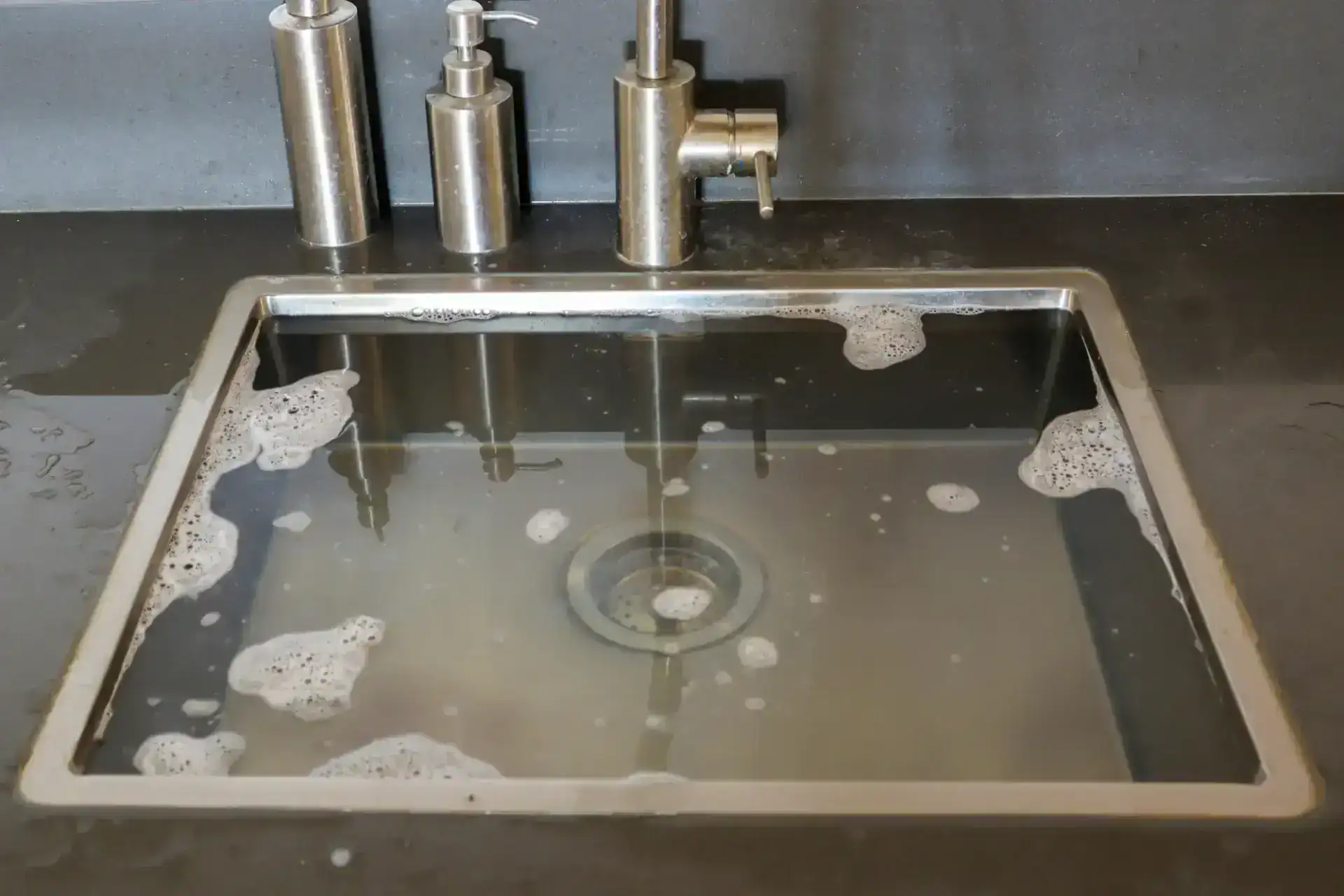
You’ll know you have a sewage backup when you notice multiple fixtures draining slowly or backing up at the same time. If flushing the toilet causes water to back up in your shower, or if running the washing machine makes your toilet gurgle, your main sewer line is likely blocked. The smell is usually unmistakable—a strong, foul odor that permeates your home. You might also hear gurgling sounds from drains even when you’re not using water, which indicates trapped air in your sewer system.
Several things cause sewer backups in Pasco County homes. Tree roots are a major culprit, especially in older neighborhoods where mature trees have had decades to work their way into sewer lines through small cracks. The roots grow into the pipe seeking water, eventually creating blockages that stop wastewater flow. We also see backups caused by flushing things that don’t belong in your sewer system—wipes labeled “flushable,” paper towels, feminine hygiene products, and grease all contribute to clogs that build up over time.
In aging homes, the sewer lines themselves can deteriorate. Clay pipes common in older Pasco County homes crack and crumble over time. Ground movement from Florida’s sandy soil, heavy rain, or even nearby construction can shift pipes out of alignment, creating low spots where waste accumulates instead of draining properly.
The critical thing about sewage backups is that they don’t get better on their own. The blockage needs to be cleared by a professional with the right equipment. Attempting to fix it yourself with chemical drain cleaners often makes the problem worse, and you’re still left with contaminated wastewater in your home that needs proper cleanup. When sewage is backing up into your living spaces, stop using all water immediately and call for emergency plumbing service.
Want live answers?
Connect with a ATA's Plumbing expert for fast, friendly support.
Immediate Steps to Take During a Plumbing Emergency
When you’re in the middle of a plumbing emergency, your first actions determine how much damage your home sustains. These aren’t complicated steps, but they need to happen fast and in the right order.
Your first priority is always stopping the water. Locate your main water shutoff valve and turn it clockwise to close it. If you can’t reach the main valve or don’t know where it is, shut off the water supply to the affected fixture using its individual shutoff valve. For toilets, that’s usually behind or to the left of the toilet near the floor. For sinks, look under the cabinet.
Once the water is off, turn off electricity to any areas where water is present. Water and electricity create dangerous situations. If you can’t safely reach your electrical panel because of standing water, don’t risk it—leave the area and wait for professional help.
How to minimize water damage before help arrives
After you’ve shut off the water and addressed electrical safety, your focus shifts to damage control. The steps you take while waiting for your emergency plumber can save you thousands in water damage and restoration costs.
Start by opening all your faucets to drain any remaining water from your pipes. This relieves pressure in your plumbing system and gets rid of water that would otherwise continue leaking. Flush your toilets too—this helps drain the system and prevents additional water from entering your home through the damaged pipe or backup.
Move valuables and furniture away from the affected area if you can do so safely. Water damage to belongings adds up quickly, and your homeowners insurance claim process goes more smoothly if you’ve taken reasonable steps to protect your property. If you have area rugs, roll them up and move them to dry areas. Electronics should be unplugged and moved to higher ground.
Use towels, buckets, or a wet-dry vacuum to contain water if possible. You’re not trying to fix the problem—that’s what the emergency plumber is for—but you can minimize how far the water spreads while you’re waiting. If you have a burst pipe, placing a bucket under the leak catches water that would otherwise soak into flooring or subflooring.
Document everything with photos and videos. Your insurance company will need evidence of the damage, and it’s easier to capture that documentation before cleanup begins. Take clear pictures of the water damage, the source if you can identify it, and any damaged belongings. Make a detailed list of what’s been affected, including brands, models, and condition. This documentation becomes crucial when you file your insurance claim.
Here’s something many homeowners don’t think about: if your plumbing emergency happened because of freezing temperatures, you need to address the temperature in your home before the plumber fixes the pipe. If you don’t, you risk another pipe bursting as soon as the repair is complete. Make sure your home has adequate heat and that the temperature won’t drop below 55°F. For pipes in unheated areas like garages or crawl spaces, you may need to add temporary heating or insulation to prevent recurrence.
While you’re waiting, resist the urge to use any plumbing fixtures. Even if your toilet in the other bathroom seems fine, using it during a sewer backup can make the problem worse. The same goes for running water in other sinks or starting the dishwasher. All your plumbing is connected, and adding more water to a system that’s already compromised just creates more problems.
What emergency plumbers do that you cannot
There’s a reason plumbing emergencies require professional help. The immediate crisis might seem straightforward—stop the water, fix the pipe—but what happens behind the scenes separates a temporary patch job from a proper repair that actually solves the problem.
We arrive with fully stocked trucks containing the parts and equipment needed to handle most situations on the first visit. We’re not running to the hardware store while water damage accumulates in your home. We have the right replacement pipes, fittings, seals, and tools to complete the repair properly, meeting Florida building codes and ensuring the fix lasts.
But it’s not just about having the right parts. We diagnose why the emergency happened in the first place. A burst pipe isn’t random—something caused that failure. Was it corrosion from hard water? Excessive water pressure? A manufacturing defect in polybutylene piping? Age-related deterioration in galvanized steel? Understanding the cause prevents the same problem from happening again in a different location.
In Pasco County especially, this diagnostic expertise matters. Homes built during different eras face different plumbing challenges. A house from the 1970s with original galvanized pipes needs a different approach than a 1990s home with polybutylene systems. We’ve worked in aging Pasco County homes since 2013, and we recognize patterns that out-of-town or inexperienced technicians might miss.
Emergency plumbers also handle the cleanup and sanitization that follows sewage backups or major water events. Raw sewage requires specific protocols to ensure your home is safe for your family. We know which materials can be cleaned and which need to be removed and replaced. We understand how to prevent mold growth in the aftermath of water damage.
The guidance you receive over the phone while waiting is another critical service. When you call us—not an answering service—you’re talking to someone who can walk you through the immediate steps to minimize damage. We’ll ask the right questions to understand your situation and provide specific instructions for your circumstances. Should you turn off the water heater? Is it safe to enter the basement? Can you locate the shutoff valve for that specific fixture? This real-time guidance prevents additional damage and helps you stay calm during a stressful situation.
We also coordinate with your insurance company when needed. We provide documentation of the damage, detailed invoices for repairs, and expert assessments that support your claim. We understand what insurance adjusters need to see and can advocate for proper repairs rather than inadequate temporary fixes.
Perhaps most importantly, we take responsibility for the repair. If something goes wrong with our work, we come back and make it right. When you attempt DIY repairs during a plumbing emergency, you own whatever happens next. If your temporary fix fails at 3 AM next Tuesday, you’re back to square one. Professional repairs come with accountability and, often, warranties that protect you from recurring problems.
Customer Testimonials
Being Prepared for Plumbing Emergencies in Pasco County
Plumbing emergencies are stressful, but they don’t have to be catastrophic. Knowing what qualifies as a true emergency, understanding the immediate steps to take, and having a trusted emergency plumber saved before you need one—these preparations make all the difference when disaster strikes.
The most important takeaway is this: act fast, shut off the water, and call for professional help. Every minute counts when water is damaging your home or sewage is backing up into your living spaces. The steps you take in those critical first moments determine whether you’re dealing with a manageable repair or extensive water damage that affects your home for months to come.
For Pasco County homeowners, the age of our housing stock means plumbing emergencies are a matter of when, not if. Homes with aging pipes, polybutylene systems, or decades-old galvanized steel are working on borrowed time. Having a relationship with local plumbers who understand these challenges means you’re not frantically searching for help when you’re already in crisis mode. We’ve been handling these exact situations since 2013, with real plumbers answering calls 24/7 and trucks positioned throughout the county to respond fast.
Article details:
- Published by:
- Published to:
- Last modified:
- March 26, 2026
Continue learning: