Understanding whether you need drain cleaning or sewer line cleaning can save you time, money, and prevent bigger plumbing headaches down the road.

Summary:
Drain cleaning focuses on clearing blockages from individual fixtures in your home. Think kitchen sinks, bathroom drains, shower drains, and floor drains. These clogs typically happen close to the surface and affect just one fixture at a time.
Most drain clogs form from everyday debris that builds up over time. Hair, soap scum, food particles, grease, and other materials stick to pipe walls and gradually restrict water flow. You’ll notice the problem when one specific drain starts acting up while others work fine.

Several clear warning signs tell you it’s time for drain cleaning services. Water draining slowly from a single fixture is the most obvious indicator. You might also hear gurgling noises coming from that specific drain, or notice unpleasant odors wafting up from the problem area.
If you’re dealing with frequent clogs in the same drain, that’s another red flag. Many homeowners try DIY solutions like chemical drain cleaners or plunging, but these often provide only temporary relief. The underlying buildup remains, causing the same drain to clog again within weeks or months.
In Pasco County, FL homes built around 1977, drain problems often stem from older pipe materials and decades of buildup. Hard water, which is common in our area, makes the situation worse by leaving mineral deposits that catch debris more easily. Professional drain cleaning removes all this accumulated material, not just the immediate blockage.
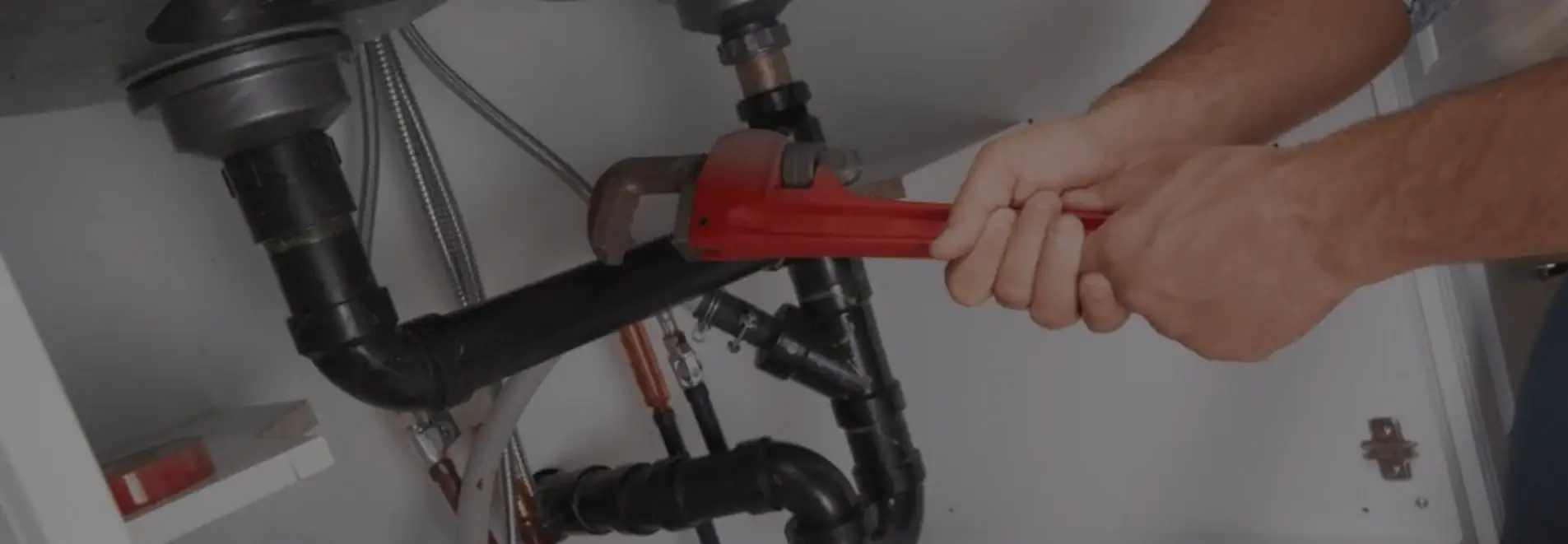
The cleaning process typically involves specialized tools like drain snakes or augers that can reach deep into the pipe to break up or remove clogs. For stubborn blockages, we might use safe enzymatic cleaners that dissolve organic buildup without damaging your pipes.
Professional drain cleaning goes beyond just clearing the immediate blockage. While DIY methods might poke a hole through the clog, professional service removes the entire buildup from pipe walls. This thorough approach prevents quick re-clogging and extends the time between cleanings.
The process usually starts with a camera inspection to identify exactly what’s causing the problem and where it’s located. This prevents guesswork and ensures the right tool for the job. For routine clogs, we use motorized drain snakes that can cut through buildup and pull debris out of the pipe.
More stubborn blockages might require hydro jetting, which uses high-pressure water to scour the inside of pipes completely clean. This method is particularly effective for grease buildup, soap scum, and mineral deposits that have hardened over time. The pressurized water not only removes the current clog but also cleans the pipe walls, leaving them nearly as clean as when they were new.
After clearing the blockage, we flush the system thoroughly to remove all loosened debris. We might also provide maintenance recommendations to help prevent future clogs, such as using drain screens or avoiding certain materials that commonly cause problems in your specific type of plumbing system.
Want live answers?
Connect with a A.T.A’s Plumbing expert for fast, friendly support.
Sewer line cleaning targets your home’s main drainage system – the large pipe that carries wastewater from all your fixtures to either the municipal sewer system or your septic tank. This is a much more complex job than individual drain cleaning because it affects your entire home’s plumbing.
When your sewer line has problems, multiple fixtures throughout your house will show symptoms. The blockages here are often more serious too, involving tree root intrusions, heavy sediment buildup, or foreign objects that have worked their way into the main line.
Sewer line problems create distinctive symptoms that affect your whole house. If multiple drains are backing up simultaneously, that’s a strong indicator the main line is blocked. You might notice water backing up into your basement floor drains, or sewage coming up through your lowest fixtures when you use water upstairs.
Strong sewer odors inside your home or around your property are another serious warning sign. These smells indicate sewage isn’t flowing away properly and may be backing up somewhere in the system. You might also hear gurgling sounds from multiple fixtures when you use water elsewhere in the house.
In older Pasco County homes, tree root intrusion is a particularly common cause of sewer line blockages. Mature trees send roots toward water sources, and they can penetrate even small cracks in sewer pipes. Once inside, these roots grow rapidly and can completely block the line within months. Clay and cast iron pipes, common in homes from the 1970s, are especially vulnerable to root intrusion.
Other signs include sewage backing up into your toilet or basement, multiple fixtures draining slowly at the same time, or wet spots in your yard that appear even during dry weather. These symptoms require immediate professional attention because sewer backups can cause significant property damage and create health hazards.
Sewer line cleaning requires specialized equipment and expertise that goes far beyond typical drain cleaning tools. We use heavy-duty machines with thicker cables and cutting blades designed to handle the larger diameter pipes and tougher obstructions found in main sewer lines.
The process often begins with a video camera inspection to identify the exact location and nature of the blockage. This technology allows us to see inside your sewer line and determine whether the problem is roots, debris buildup, pipe damage, or foreign objects. The inspection also reveals the pipe’s condition and helps plan the most effective cleaning approach.
For root intrusions, we use specialized cutting tools that slice through roots and clear them from the pipe. Hydro jetting is another powerful method that uses extremely high-pressure water to blast away buildup, roots, and debris. This process not only clears the immediate blockage but thoroughly cleans the entire pipe from end to end.
After clearing the main blockage, professional sewer cleaning includes flushing the entire system with pressurized water to remove any remaining debris. Some services also include pipe lining or sealing treatments that help prevent future root intrusion and extend the life of your sewer system. The goal is restoring your sewer line to nearly new condition, not just getting water flowing again temporarily.
Customer Testimonials
The key difference comes down to scope and location. If one fixture is acting up, you likely need drain cleaning. If multiple fixtures are affected or you’re seeing sewage backups, your main sewer line needs attention. Understanding this distinction helps you get the right service and avoid paying for more than you need.
Don’t wait for small problems to become major disasters. Whether you’re dealing with a slow-draining kitchen sink or multiple fixtures backing up throughout your house, professional diagnosis ensures you get the most effective solution. We have the experience and equipment to handle both drain cleaning and sewer line services for Pasco County homeowners, helping you keep your plumbing system running smoothly for years to come.
Article details:
Continue learning: