Essential emergency plumbing steps every Pasco County homeowner should know when disaster strikes.

Summary:
The first sixty seconds of a emergency plumber Pasco County, FL determine how much damage you’ll face. Your natural instinct might be to panic, but staying calm and taking the right actions immediately can save you thousands of dollars in repairs.
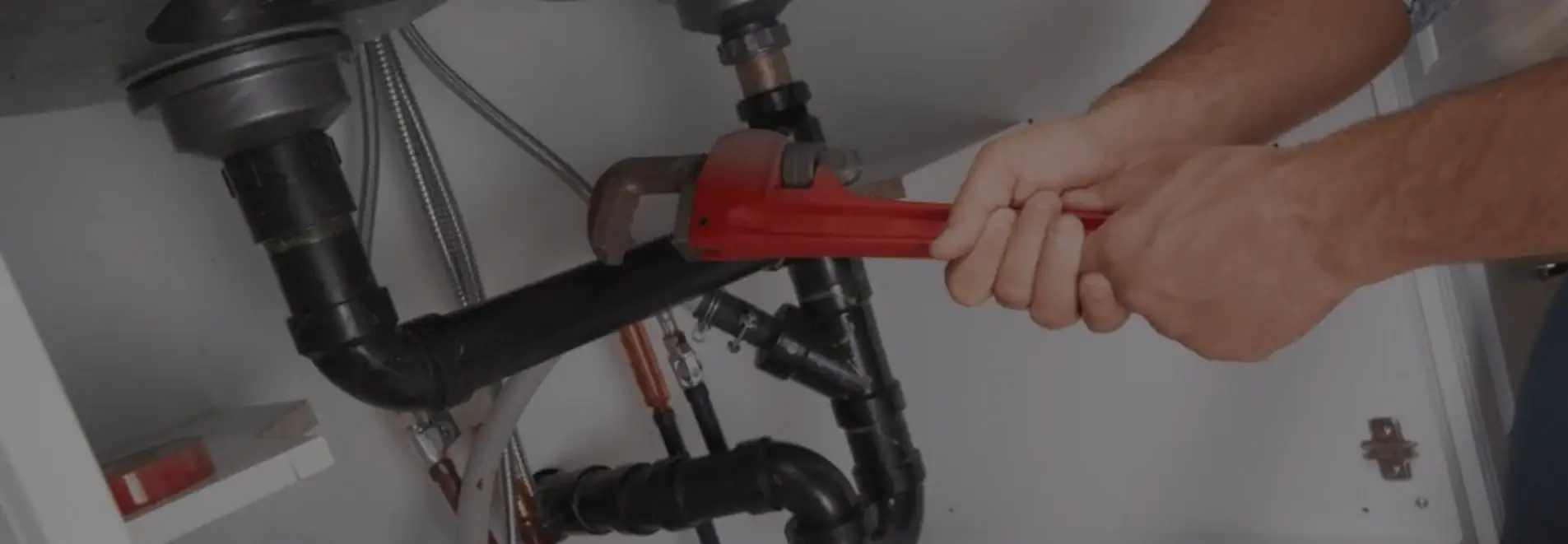
The most critical step is stopping the water flow. Every home has a main water shutoff valve, typically located near your water meter or where the main line enters your house. Turn this valve clockwise to stop all water flow to your home. If the problem is isolated to one fixture like a toilet or sink, look for the individual shutoff valve near that specific fixture instead.
Once you’ve stopped the water, assess the situation quickly. Is this something that poses immediate danger to your family or property? Can you safely contain the water with towels and buckets while waiting for help? These first moments set the stage for everything that follows.

Every Pasco County homeowner should know exactly where their water shutoff valves are located before an emergency strikes. The main shutoff valve is your first line of defense against flooding damage, but many homeowners have never located theirs.
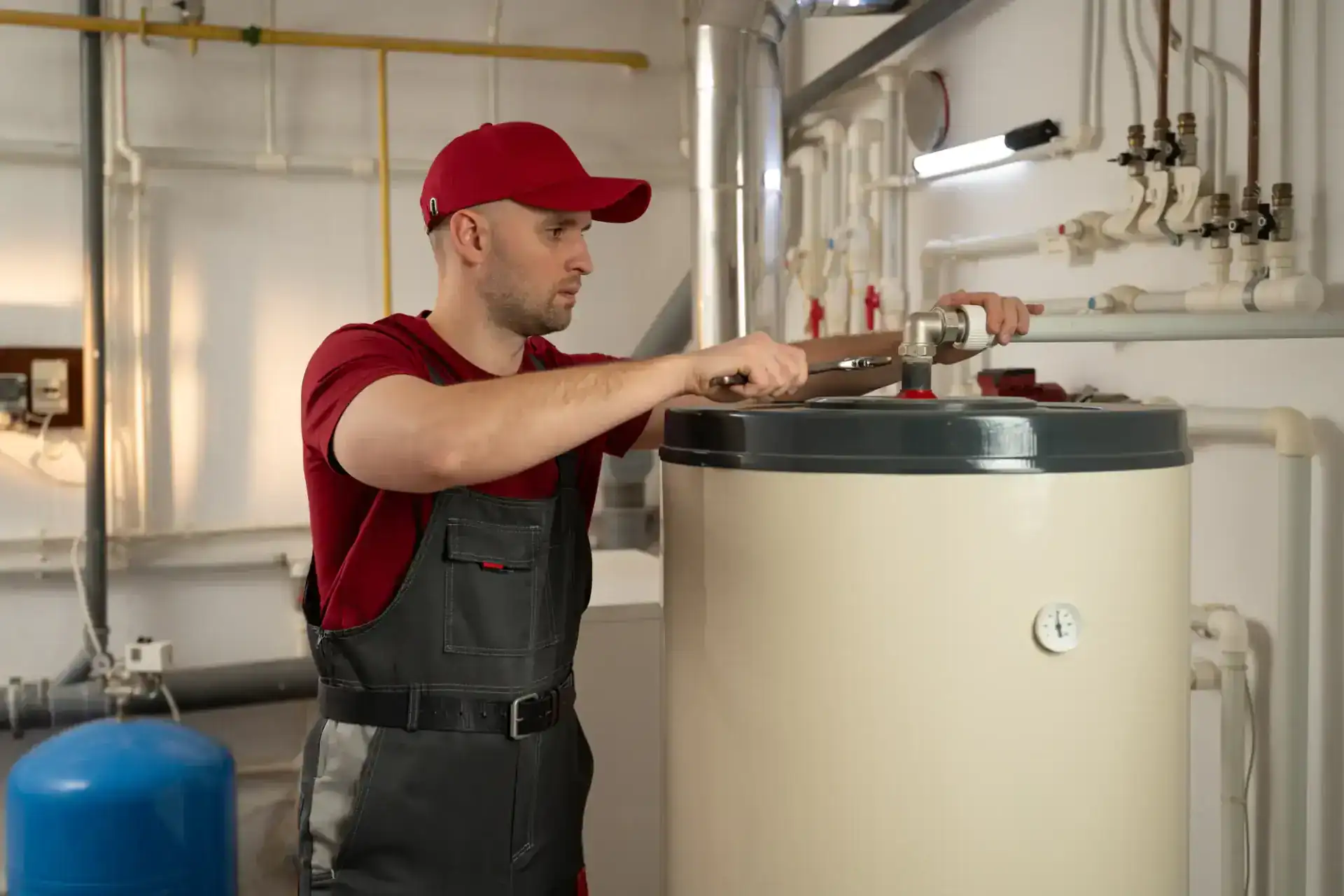
Start by checking near your water meter, usually found close to the street or in your front yard. The main shutoff valve is typically within a few feet of the meter. In some homes, especially older ones common in Pasco County, you might find it in the garage, basement, or where the main water line enters the house. The valve usually requires a water meter key or adjustable wrench to turn.
For individual fixtures, look behind toilets near the floor, under sinks in the cabinet, or near water heaters and washing machines. These smaller valves can often be turned by hand and allow you to isolate problems without shutting off water to your entire home. Make it a point to locate and test these valves regularly—a stuck valve during an emergency will cost you precious time.
Take a few minutes this weekend to walk through your home and identify every shutoff valve. Mark their locations and ensure they turn freely. Consider taking photos and keeping them on your phone for quick reference. During a crisis, you won’t want to spend time searching or trying to remember where everything is located.
After you’ve stopped the water flow, your next priority is damage control. Every minute counts when it comes to preventing water damage, mold growth, and structural problems that can plague your home for months.
Start by removing any valuable items from the affected area. Electronics, important documents, furniture, and personal belongings should be moved to dry areas immediately. Even if items look dry now, water can spread quickly through flooring and walls. Use towels, mops, and buckets to soak up standing water as quickly as possible.
If you have a wet/dry vacuum, now’s the time to use it. The faster you can remove water, the less chance it has to seep into walls, subflooring, and other hidden areas where it can cause long-term damage. Open windows and doors if weather permits to increase air circulation and start the drying process.
Document everything with photos before you start cleanup. Your insurance company will want to see the extent of the damage, and having clear photos taken immediately after the incident can help support your claim. Take pictures of the water source, affected areas, and any damaged belongings.
Avoid using electrical appliances in wet areas, and if water is near electrical outlets or panels, turn off electricity to that area at your circuit breaker. Water and electricity create dangerous situations that can result in electrocution or fires. When in doubt, stay out of flooded areas until a professional can assess the safety.
Want live answers?
Connect with a ATA's Plumbing expert for fast, friendly support.
Pasco County’s unique climate and housing characteristics create specific plumbing challenges that homeowners need to understand. From sudden temperature drops that can freeze pipes to summer storms that overwhelm sewer systems, knowing what you’re likely to face helps you prepare and respond effectively.
The area’s aging housing stock means many homes have older plumbing systems that are more prone to failures. Combined with Florida’s high water tables and seasonal weather extremes, these factors create a perfect storm for plumbing emergencies. Understanding the most common scenarios helps you recognize problems early and take appropriate action.
Burst pipes represent one of the most destructive plumbing emergencies you can face in your Pasco County home. A single burst pipe can release hundreds of gallons of water in just minutes, causing devastating damage to floors, walls, and personal belongings.
In Florida, burst pipes often result from sudden temperature drops during winter cold snaps, though they can also occur due to high water pressure, corrosion in older pipes, or shifting soil that puts stress on underground lines. The key warning signs include sudden drops in water pressure, water stains on walls or ceilings, the sound of running water when no fixtures are in use, and unexpectedly high water bills.
When a pipe bursts, every second counts. Shut off the main water supply immediately, then focus on protecting your belongings and containing the water. Don’t attempt to repair the pipe yourself—burst pipes often indicate underlying problems that require professional diagnosis. The water pressure in your home’s supply lines is typically between 40-80 PSI, which means even a small crack can quickly become a major flood.
If the burst pipe is in a wall or ceiling, you may not see the leak immediately. Watch for water stains, bubbling paint, or sagging drywall, which can indicate water accumulating behind surfaces. These hidden leaks can cause extensive damage before they become visible, including mold growth and structural deterioration.
After shutting off the water, call a professional plumber immediately. While you wait, use tarps or plastic sheeting to protect furniture and flooring from additional water damage. If the burst pipe affected your electrical system, don’t enter the area until the power has been turned off at the circuit breaker.
Sewage backups create both immediate health hazards and long-term property damage risks. In Pasco County, summer rains can overwhelm municipal sewer systems, while tree roots commonly invade older sewer lines, creating blockages that force waste back into your home.
The first signs of a sewer backup often appear in your lowest drains—typically basement floor drains or first-floor bathrooms. You might notice gurgling sounds from multiple drains, sewage odors throughout your home, or actual wastewater coming up through drains, toilets, or floor drains. These situations require immediate action to protect your family’s health.
Stop using all water in your home immediately. Every time you flush a toilet, run water, or use any drain, you’re adding to the backup and potentially making the situation worse. Raw sewage contains dangerous bacteria, viruses, and parasites that can cause serious illness, so avoid contact with contaminated water and surfaces.
If sewage has entered your living spaces, evacuate family members and pets from affected areas. The health risks are significant, especially for children, elderly family members, and anyone with compromised immune systems. Don’t attempt to clean up sewage yourself—this requires professional remediation to ensure proper sanitization and safety.
Contact an emergency plumber immediately, as sewer backups often indicate serious problems with your main sewer line or the municipal system. Professional plumbers have specialized equipment like sewer cameras and high-pressure jetting systems to diagnose and clear major blockages safely. We can also coordinate with your local water department if the problem involves the municipal sewer system.
Customer Testimonials
Some plumbing situations require immediate professional intervention, while others can wait until regular business hours. Understanding the difference helps you make smart decisions that protect your home without unnecessary expense.
Call for emergency service when you’re dealing with burst pipes, sewage backups, gas leaks, no water supply to your home, or any situation where water is actively damaging your property. These scenarios can escalate quickly and cause thousands of dollars in additional damage with each passing hour.
Remember that taking quick action during the first critical moments can significantly reduce your repair costs and protect your home from long-term damage. When you need reliable emergency plumbing service in Pasco County, we at ATA’s Plumbing bring the experience, honesty, and professional expertise that local homeowners have trusted since 2013.
Continue learning: