Proper venting and T&P valves aren't optional—they're life-saving safety features required by Florida building codes.

Summary:
Proper venting removes dangerous combustion gases from your home. Gas water heaters produce carbon monoxide during normal operation—a colorless, odorless killer.
Your venting system must create adequate draft pulling these gases safely outside. In Pasco County, FL’s humid conditions, improper venting causes backdrafting where deadly gases flow back into your living space.
Florida building codes specify minimum clearances, approved materials, and installation methods ensuring safe operation. These aren’t suggestions—they’re legal requirements protecting your family and maintaining insurance coverage.
Many homes built before 2000 have venting systems that worked when installed but don’t meet current water heater safety standards. We regularly find undersized vent pipes that can’t handle modern high-efficiency units.
Your original 3-inch vent worked for the old water heater. Today’s models often require 4-inch venting for proper draft. Using undersized venting creates dangerous backdrafting conditions.
Corroded vent connectors are frequent issues in Florida’s humid climate. Metal components deteriorate faster here, creating gaps allowing combustion gases to leak into your home. These leaks go undetected because carbon monoxide has no smell.
Blocked or damaged chimney liners cause problems in older homes. Birds, debris, or structural damage obstruct the vent path, forcing dangerous gases back inside. Some homes have shared venting where the water heater and furnace use the same chimney—requiring professional assessment.
Improper vent termination is surprisingly common. We’ve seen vents terminating too close to windows, under roof overhangs, or near air conditioning intakes where gases re-enter the home. Florida code requires specific clearances from these openings.
The most dangerous situation involves abandoned or disconnected venting. Some homeowners disconnect vents during renovations and never reconnect them properly. Others install new water heaters without updating venting systems. Both scenarios can be fatal.
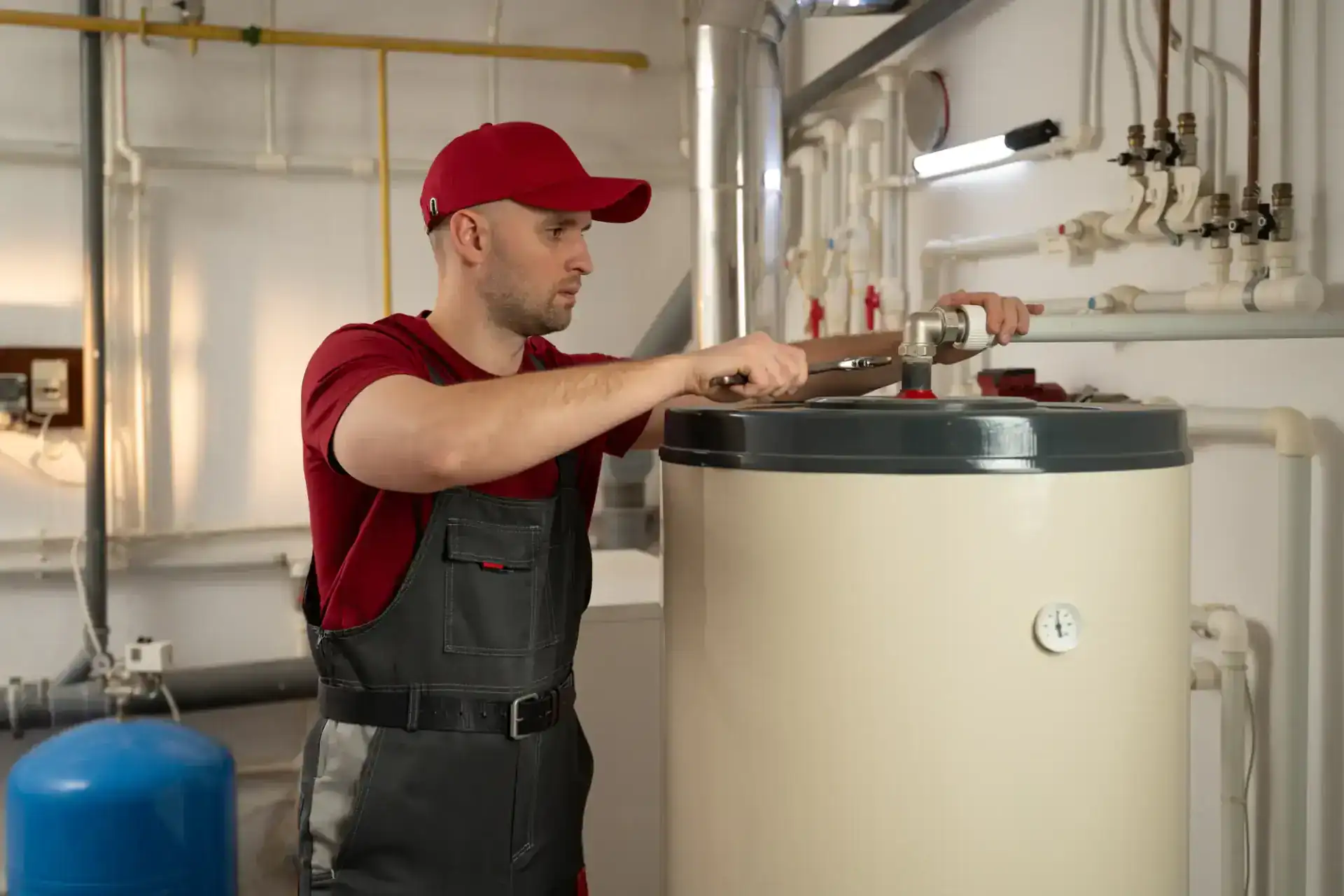
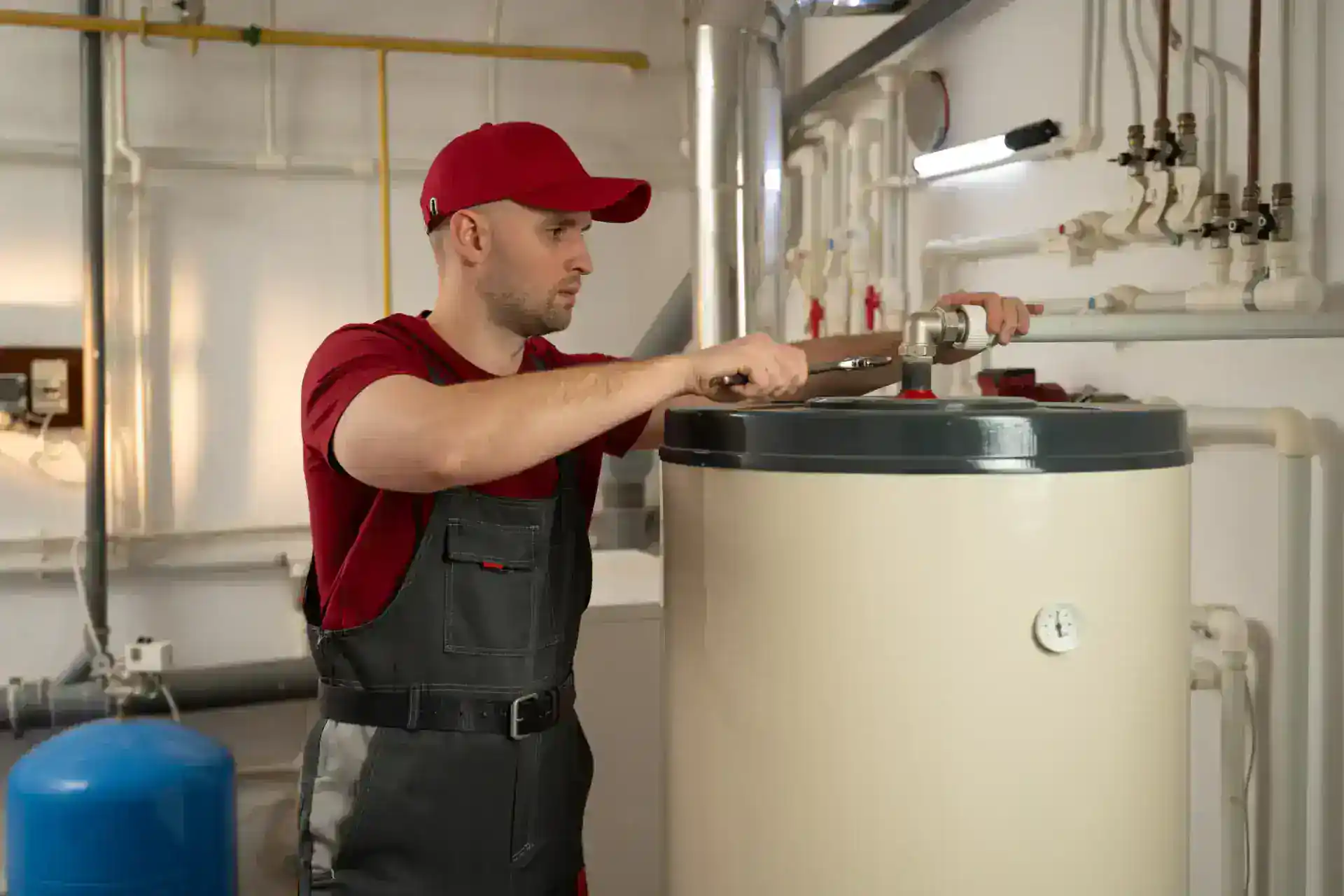
Installing water heater venting isn’t like replacing a faucet—mistakes can kill your family. Professional installation ensures proper sizing, materials, and clearances meeting Florida building codes.
Licensed plumbers understand how different water heater models affect venting requirements. We can assess whether your existing system needs upgrades for safe operation.
DIY venting installations often fail because homeowners don’t understand draft calculations. Each water heater produces different amounts of combustion gases. The vent system must be sized accordingly. Wrong pipe diameter, improper slope, or incorrect fittings prevent adequate draft.
Material selection matters more than most realize. Not all pipe materials are approved for venting. Using wrong types creates fire hazards or allows corrosive gases to eat through the system.
Professional installation includes proper testing. We use specialized equipment verifying adequate draft and checking for gas leaks throughout the system. These tests aren’t possible without professional tools and training.
The permit and inspection process exists for good reason. Most water heater installations require permits in Pasco County, FL. Inspection ensures your system meets current safety codes. Skipping this creates liability issues with insurance companies.
Code violations discovered later often require complete reinstallation. DIY attempts become more expensive than hiring professionals initially. Some insurance companies won’t cover damage from unpermitted work.
Want live answers?
Connect with a A.T.A’s Plumbing expert for fast, friendly support.
Your temperature and pressure relief valve is your water heater’s most important safety device. It prevents tank explosions that destroy homes and kill occupants.
This valve automatically releases water when temperature exceeds 210°F or pressure exceeds 150 PSI. Without this protection, those conditions would cause catastrophic tank failure.
Florida building codes require specific T&P valve installation procedures. The valve must be properly sized, installed in the correct location, and connected to approved discharge piping terminating safely outside your home.
Proper T&P valve installation requires precise placement following Florida building codes. The valve must install in the top portion of the water heater tank or in the hot water outlet pipe within six inches of the tank.
This positioning ensures the valve responds to both temperature and pressure conditions inside the tank. Wrong placement prevents proper operation when you need it most.
The discharge pipe connection is critical for T&P valve safety. Florida code requires full-size discharge piping (usually 3/4-inch) running continuously downward to approved termination points. The pipe cannot have valves, restrictions, or fittings preventing proper operation.
Even slight upward bends trap water and prevent valve function. The discharge pipe must terminate outside the building, within six inches of ground level, where hot water discharge won’t create safety hazards.
We often find discharge pipes terminating in crawl spaces, basements, or other interior locations. These violations can cause property damage and prevent proper valve operation during emergencies.
The valve itself must match your water heater specifications. Installing undersized valves won’t provide adequate protection. Oversized valves may not operate at correct pressures. Professional installation ensures proper valve selection based on your specific model and local code requirements.
Testing procedures are often overlooked but essential. New T&P valves should be tested during installation to verify proper operation. This involves lifting the test lever ensuring water flows freely through discharge piping.
T&P valve problems often develop gradually, making them easy to ignore until they become dangerous. Continuous dripping from discharge piping usually indicates valve failure or excessive system pressure.
While minor weeping is sometimes normal, steady dripping means the valve isn’t sealing properly. This requires immediate replacement to maintain water heater safety.
No water flow when testing the valve is a serious safety concern. T&P valves should release water when you lift the test lever. If nothing happens, the valve may be stuck closed—eliminating your primary safety protection.
Never ignore a valve that won’t operate during testing. This indicates complete valve failure requiring immediate professional replacement.
Rusty or corroded discharge pipes indicate long-term moisture exposure affecting valve operation. Corrosion around valve threads or discharge connections suggests leaks needing immediate attention.
In Florida’s humid climate, even small leaks cause significant corrosion over time. Water damage around the water heater often results from T&P valve discharge, but the underlying cause needs professional diagnosis.
Excessive pressure from thermal expansion, faulty temperature controls, or blocked venting can all cause T&P valve activation. Simply replacing the valve without addressing root causes won’t solve the problem.
Age is another factor requiring professional evaluation. T&P valves should be replaced every five years or whenever the water heater is serviced. Older valves may appear functional but fail when needed most.
Customer Testimonials
Water heater safety isn’t about following arbitrary rules—it’s about preventing tragedies that destroy families and homes. Proper venting prevents carbon monoxide poisoning. Correctly installed T&P valves prevent tank explosions.
Both systems require professional expertise ensuring Florida code compliance and reliable operation. The risks of improper installation far outweigh any potential DIY savings.
When you need water heater safety expertise in Pasco County, FL, we bring over a decade of experience with local homes and Florida building codes. We understand aging infrastructure challenges and ensure your system meets current safety standards.
Article details:
Continue learning: