Your sewer line warns you before it fails. Catch these seven signs early and avoid sewage backups, property damage, and emergency repair bills.

Summary:
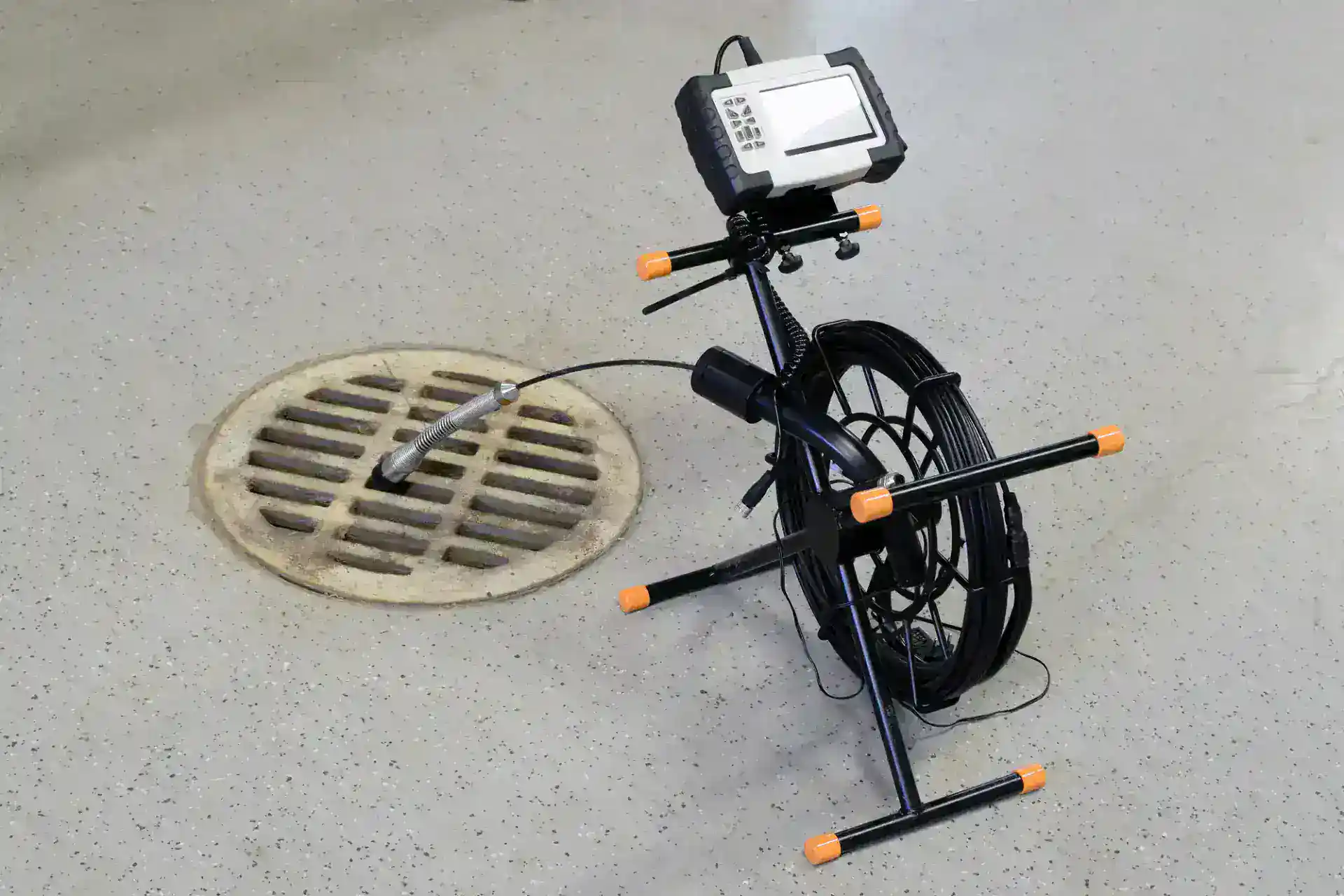
A sewer camera inspection uses a waterproof, high-definition camera on a flexible cable to see inside your pipes. The camera travels through your sewer line and sends live video to a monitor, showing exactly what’s happening in pipes buried under your yard or concrete slab.
This eliminates the guesswork that used to require digging up sections of your property hoping to find the problem. Now we insert the camera through an existing cleanout or drain opening and follow the line until we spot what’s wrong.
The camera reveals tree roots growing through cracks, decades of buildup coating pipe walls, misaligned sections, or complete blockages. It pinpoints the exact location and depth, which means repairs target the actual problem instead of exploratory digging that tears up your landscape.
Pasco County’s housing creates specific conditions that make camera inspections especially important. Homes built during the 1990s and 2000s construction boom now have plumbing systems 20 to 30 years old. Cast iron and clay pipes from that era are reaching the end of their expected lifespan.
Florida’s environment accelerates the damage. Hard water averaging 216 PPM leaves mineral deposits that narrow pipes and catch debris. Summer storms and hurricanes flood systems. Mature trees from older developments send roots searching for the moisture your sewer line provides—and those roots will find any crack or weak joint.
These conditions create problems you can’t see from the surface. A camera inspection reveals what’s actually happening before a hairline crack becomes a collapsed section or a few roots turn into a complete blockage that requires emergency sewer line repair.
The visual proof matters when you’re making repair decisions. When you see actual footage of tree root infiltration destroying your pipe or corrosion eating through cast iron, you understand what needs fixing and why. No confusion about whether the work is necessary. You’re looking at the problem yourself and can decide how to handle it.
Camera inspections also protect you from being sold work you don’t need. When we use the camera to show you the truth instead of creating problems, you get honest answers. That’s how it should work—the camera reveals what’s wrong so you can fix it right, not so someone can pad a bill with unnecessary repairs.
A typical camera inspection takes 30 to 60 minutes for most homes, though timing depends on your property’s layout and what the camera finds. The process is straightforward.
We locate the access point—usually a cleanout, that short white pipe with a cap in your yard or inside your home. We set up the camera equipment nearby and prepare the area to keep things clean. Before inserting the camera, we often run water through your drains to flush the lines and lubricate the camera cable.
The camera feeds into your sewer line slowly. The cable has distance markers showing exactly how far in we’ve gone. As it travels through your pipes, we watch the live video feed looking for damage, blockages, or deterioration. When we spot something, we pause to document it and note the exact location and depth.
Modern cameras have LED lights that illuminate pipe interiors clearly. The high-definition video captures details like hairline cracks, early root intrusion, or spots where corrosion is weakening the pipe. We typically record the entire inspection so you can review footage with us afterward. We’ll show you what we found, explain what’s causing it, and discuss your options for fixing it.
The inspection continues until the camera reaches where your private sewer line connects to the city’s main line or your septic system. If drainage problems affect your whole house, we may inspect multiple branch lines feeding into your main sewer line to find where issues start. You’ll get a clear picture of your sewer line’s condition and know exactly what needs attention.
Want live answers?
Connect with a A.T.A’s Plumbing expert for fast, friendly support.
Your plumbing sends clear warnings when something’s wrong with your main sewer line. Catching these signs early—before sewage backs up into your home—saves thousands in emergency repairs and prevents health hazards.
These warnings usually start subtle and get worse over time. Homeowners often ignore them or try temporary fixes that don’t address what’s actually wrong. A camera inspection shows you the real problem so you can fix it properly instead of repeatedly treating symptoms.
One slow drain means you probably have a clog in that fixture’s individual line. Multiple slow drains happening at the same time means your main sewer line has a problem.
Think of your plumbing like a tree. Individual drains are branches feeding into the main sewer line—the trunk. A blockage in that main line affects everything connected to it. Your kitchen sink drains slowly, your shower takes forever to empty, toilets don’t flush with their usual force. These aren’t separate issues. They’re all symptoms of the same restriction in your main line.
The blockage doesn’t need to be complete to cause noticeable slowdowns. Even a partial restriction reduces flow capacity for your entire house. When multiple drains get used at once—shower running while the dishwasher cycles—the problem becomes obvious because the restricted main line can’t handle the volume.
Camera inspections show exactly what’s causing the restriction. You’ll see whether tree roots are catching debris, decades of grease and soap scum are coating pipe walls, a bellied section where the pipe sagged is collecting waste, or corrosion has narrowed the pipe’s diameter. Each cause needs a different fix, which is why seeing it matters.
For Pasco County homes with aging plumbing, slow drains often mean cast iron pipes are corroding from the inside or tree roots from mature landscaping have infiltrated clay pipe joints. These problems only get worse. What starts as slightly slow drainage eventually becomes complete blockages requiring emergency clogged drain service.
The camera shows not just the problem but how far it’s progressed. Early-stage root intrusion might only need hydro jetting to clear. Advanced root intrusion that cracked the pipe might require trenchless pipe repair or replacing that section. Seeing the actual condition helps you choose the most cost-effective solution.
Gurgling sounds from drains happen when air gets trapped behind a blockage. As water tries to drain past the obstruction, it pushes that trapped air back up through your drains. You’ll hear it in the lowest drains first—basement floor drains or first-floor toilets—because that’s where air escapes easiest. This tells you there’s a restriction in your main sewer line that’s disrupting normal flow.
Sewage odors inside your home or yard mean your sewer line isn’t properly sealed. A healthy line is airtight—you should never smell what’s inside it. When that unmistakable sewage smell appears, it signals a crack, break, or failing joint. The camera pinpoints exactly where the line’s integrity failed. Outside odors, especially in your yard near where the sewer line runs, suggest the line is leaking sewage into surrounding soil. You might notice unusually lush, green patches of grass where leaking sewage acts as fertilizer—not a good sign.
Water backing up in unexpected places is particularly serious. Flush an upstairs toilet and water comes up through your basement floor drain. Run your washing machine and your bathtub fills with water. Your main sewer line has a blockage and wastewater has nowhere to go except back up through the lowest available opening. These backups follow patterns that help diagnose the problem: if using one fixture causes issues in another, that’s a main line problem.
Frequent recurring clogs that keep coming back despite repeated snaking suggest the underlying issue isn’t being addressed. You’re poking holes through the clog temporarily, but the root cause—whether tree roots, pipe damage, or severe buildup—remains. A camera shows you what’s really causing those recurring blockages so you can fix it permanently instead of calling for clogged drain service every few months.
Foundation cracks or settling can indicate serious sewer line leaks saturating the soil under your home. When sewage escapes into the ground, it weakens soil structure. You might see cracks in your foundation, settling in your yard, or even sinkholes forming. These are extreme cases, but they demonstrate how sewer line problems affect more than just your plumbing.
Rodent or insect problems sometimes trace back to damaged sewer lines. Rats can squeeze through openings as small as a quarter, and a cracked sewer line provides both access and an attractive environment. If you’re suddenly dealing with pests you didn’t have before, a compromised sewer line might be giving them entry.
Homes over 30 years old should consider camera inspections even without obvious symptoms. Original plumbing from the 1990s in Pasco County is at the age where cast iron corrodes, clay pipes crack, and tree roots find their way in. Preventative inspection catches problems before they cause backups or require emergency repairs. You’ll know the condition of your sewer line and can plan for maintenance instead of reacting to crises.
For Pasco County homeowners, many of these symptoms point to tree root infiltration. Roots seeking moisture find tiny cracks and grow inside, creating a net that catches debris. Over time, this builds into solid blockages. The camera shows the extent of root intrusion and whether roots damaged the pipe structure itself—information you need to choose between hydro jetting to clear roots or trenchless pipe repair to fix damaged sections.
Customer Testimonials
Waiting for a sewer emergency costs more than preventing one. Camera inspections catch problems while they’re manageable—before sewage backs up, before cracks become collapsed pipes, before you’re facing emergency repairs at premium rates.
For Pasco County homes with plumbing systems from the 1990s and 2000s, preventative inspections make sense. If your home still has original pipes, those systems are approaching or past their expected lifespan. A camera shows exactly what condition they’re in so you can plan for repairs instead of reacting to failures.
The investment in an inspection pays for itself by catching issues early. When you know what’s happening inside your sewer line, you make better decisions about maintenance and repairs based on visual evidence, not guesswork.
If you’re seeing any of these warning signs, or you want to know your sewer line’s condition before problems start, we’ve served Pasco County homeowners since 2013. We use camera line service to show you exactly what’s in your pipes—no guessing, no unnecessary work. Just honest answers about what needs fixing, why it matters, and what it’ll cost. We offer one-on-one consultations and 10% discounts for seniors and military members because we treat every job as an opportunity to help our neighbors make informed decisions about their homes.
Article details:
Continue learning: