Essential preparation tips to protect your Pasco County home from plumbing emergencies and costly water damage.

Summary:
Every home has weak points, but Pasco County properties face unique challenges that most homeowners don’t realize. The age of your house plays a huge role in determining what might go wrong first.
If your home was built before the 1980s, you’re likely dealing with materials that weren’t designed to last forever. Clay sewer lines crack under Florida’s shifting soil. Cast iron pipes corrode from the inside out. Even copper pipes can develop pinhole leaks after decades of exposure to our mineral-rich water.
The reality is that Pasco County has over 24,000 lead service lines still in use, and much of our infrastructure dates back decades. This isn’t meant to scare you—it’s meant to help you understand why preparation matters more here than in newer communities.

Most plumbing emergencies don’t happen without warning. Your system usually gives you clues weeks or even months before a major failure occurs.
Water pressure that gradually decreases could signal mineral buildup or pipe damage developing inside your walls. That’s not just annoying—it’s your plumbing system telling you something’s wrong. Strange sounds from your water heater, like popping or rumbling, often indicate sediment buildup that can lead to tank failure if ignored.
Slow drains might seem minor, but they often signal bigger problems brewing in your sewer lines. Tree roots love Florida’s warm climate, and they’ll find any crack in your pipes to exploit. What starts as occasional slow drainage can quickly become a sewage backup in your home.
Discolored water, especially if it’s rusty or cloudy, indicates corrosion inside your pipes. This doesn’t just affect water quality—it weakens the entire system. Small leaks around pipe joints or fixtures are red flags that shouldn’t be ignored, even if they seem insignificant.
The key is learning to spot these warning signs before they become emergencies. Check your water meter regularly when no water is being used. If it’s still moving, you have a leak somewhere that needs attention. Look for water stains on walls or ceilings, musty odors that could indicate hidden leaks, and any changes in your water bill that can’t be explained by usage.
Temperature fluctuations in your hot water, unusual gurgling sounds from drains, and wet spots in your yard can all indicate problems that will only get worse with time. The earlier you catch these issues, the less expensive they are to fix.
When disaster strikes, having the right tools within reach can save you thousands in water damage. An emergency plumbing Pasco County, FL kit isn’t just about fixing problems—it’s about stopping them from getting worse until professional help arrives.
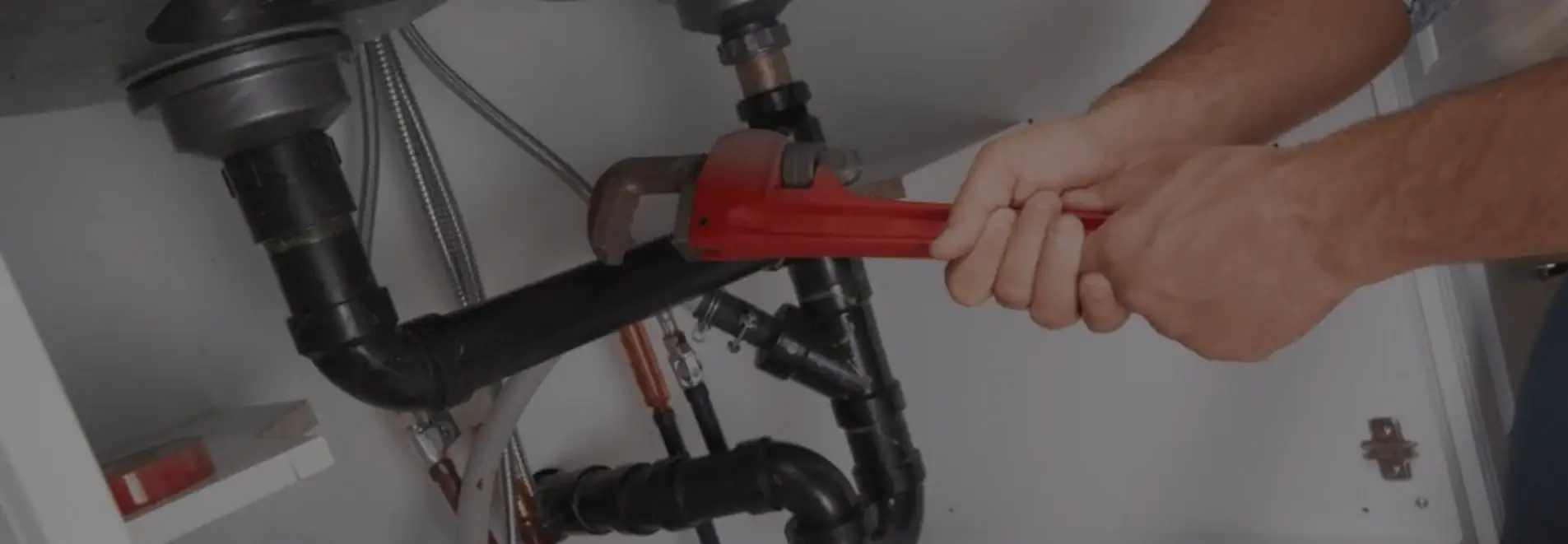
Start with the basics that every homeowner should have accessible. A pipe wrench for shutting off valves and loosening connections. Two types of plungers—a cup plunger for sinks and tubs, and a flange plunger specifically designed for toilets. Plumber’s tape and pipe repair tape for temporary leak fixes. A flashlight or headlamp because most plumbing problems happen in dark spaces.
Keep a large bucket handy for catching water and preventing floods. Rubber gloves protect your hands from contaminated water and harsh chemicals. A set of screwdrivers and basic tools for fixture repairs. Duct tape might not be pretty, but it can stop a leak temporarily until proper repairs can be made.
Don’t forget about detection and communication tools. A water leak detector can alert you to problems when you’re not home. Keep your phone charged and have your plumber’s contact information easily accessible. Take photos of any damage for insurance purposes—this can speed up claims processing significantly.
Store everything in a waterproof container in an easily accessible location. Check your kit twice a year, replacing any used items and ensuring batteries in flashlights still work. Consider keeping a second kit in your garage or basement if your home has multiple levels.
The goal isn’t to become a DIY plumber—it’s to buy yourself time and prevent catastrophic damage while waiting for professional help. Studies show that 80% of homeowners with emergency kits save both time and money when plumbing disasters occur.
Want live answers?
Connect with a ATA's Plumbing expert for fast, friendly support.
The best emergency is the one that never happens. Regular maintenance might not be exciting, but it’s your most powerful tool for avoiding plumbing disasters.
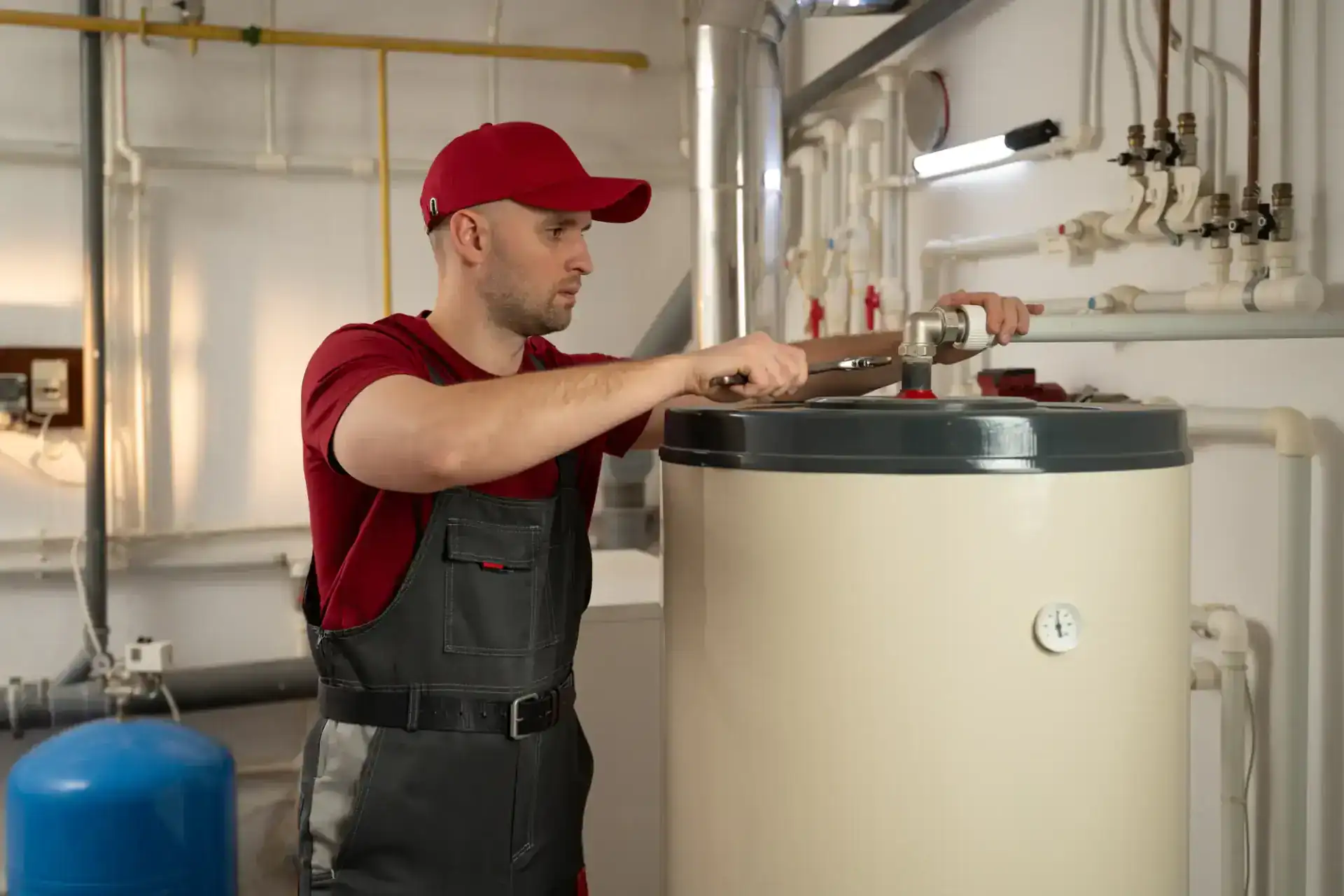
Your water heater deserves special attention, especially in Florida where mineral-rich water accelerates sediment buildup. Flushing your tank annually removes deposits that can clog drain valves and reduce efficiency. This simple maintenance task can extend your water heater’s life by years.
Don’t overlook your drains and sewer lines. What goes down them today affects your plumbing tomorrow. Regular inspection and cleaning prevent the kind of blockages that lead to expensive emergency calls.
Florida’s water presents unique challenges for water heaters that many homeowners don’t understand. Our mineral-rich supply accelerates sediment buildup, creating problems you won’t find in other parts of the country.
Sediment doesn’t just reduce efficiency—it can completely block your drain valve, making routine maintenance impossible without professional intervention. When minerals settle at the bottom of your tank, they create hot spots that can damage the tank itself. This is why water heaters in Florida often fail earlier than expected if not properly maintained.
Annual flushing removes these deposits before they cause problems. Turn off power to your unit, connect a garden hose to the drain valve, and flush until the water runs clear. If nothing comes out when you open the valve, sediment has already clogged the system and you’ll need professional help.
Check your anode rod every few years. This sacrificial component protects your tank from corrosion, but Florida’s water chemistry can consume it faster than in other climates. A failing anode rod means your tank is next in line for corrosion damage.
Monitor your water heater service needs regularly. If you’re running out of hot water faster than usual, hearing unusual noises during heating cycles, or noticing rusty water from hot taps, don’t wait for complete failure. These symptoms indicate problems that will only get worse with time.
Temperature and pressure relief valves should be tested annually. This safety device prevents dangerous pressure buildup, but many homeowners never check if it’s working properly. A malfunctioning relief valve can turn a minor problem into a dangerous situation.
Your drains handle everything that goes down them, but they’re not indestructible. In Pasco County, FL, where many homes have older sewer lines made of clay or cast iron, prevention becomes even more critical.
Tree roots are your sewer line’s biggest enemy in Florida. Our year-round growing season means roots never stop seeking water sources, and they’ll exploit any crack or joint in your pipes. Once inside, they create blockages that can cause sewage to back up into your home—one of the most expensive and unpleasant plumbing emergencies possible.
Regular drain cleaning isn’t just about removing clogs—it’s about preventing the conditions that lead to major blockages. Monthly treatments with baking soda and vinegar help break down buildup naturally. Hot water flushes weekly keep soap residue and debris from accumulating.
Be strategic about what goes down your drains. Hair, grease, and food scraps might seem harmless, but they create the foundation for serious drain clogs. Use drain covers to catch debris before it enters your system. Never flush anything other than toilet paper and waste—even “flushable” wipes can cause problems in older sewer systems.
Watch for warning signs that indicate sewer line problems developing. Multiple drains backing up simultaneously suggests a main line issue. Gurgling sounds from fixtures when others are used indicates air trapped in your system. Sewage odors in your yard or home require immediate attention.
Consider professional camera inspections every few years, especially if your home is over 20 years old. These reveal the condition of your sewer lines before problems become emergencies. Small cracks can be repaired inexpensively, but complete line replacement costs thousands.
Customer Testimonials
Preparing your plumbing system for emergencies isn’t about becoming a professional plumber—it’s about being smart with your biggest investment. The steps we’ve covered can save you thousands in water damage and give you peace of mind knowing you’re ready for whatever happens.
Start with understanding your home’s specific vulnerabilities, especially if you live in an older Pasco County property. Create your emergency kit and learn where your main water shutoff is located. Establish a maintenance routine that addresses your water heater and drain systems before problems develop.
Remember, the goal is prevention and preparation, not DIY repairs that could make problems worse. When you do need professional plumbing service, don’t hesitate to reach out to us at ATA’s Plumbing for honest, transparent service that treats your home with the respect it deserves.
Continue learning: