Learn professional techniques to find hidden water leaks before they cause expensive damage to your Pasco County home.

Summary:
The most obvious sign isn’t always water pooling on your floor. In fact, the sneakiest leaks give you subtle clues that are easy to dismiss if you don’t know what they mean.
Your water meter tells the most honest story. Turn off every faucet, appliance, and fixture in your home, then check if the meter is still moving. If it is, water is going somewhere it shouldn’t be. Even a slow-moving meter indicates a leak that needs attention.
Monthly bills don’t lie either. A sudden jump in your water usage without any changes in your routine points to a hidden leak somewhere in your system.
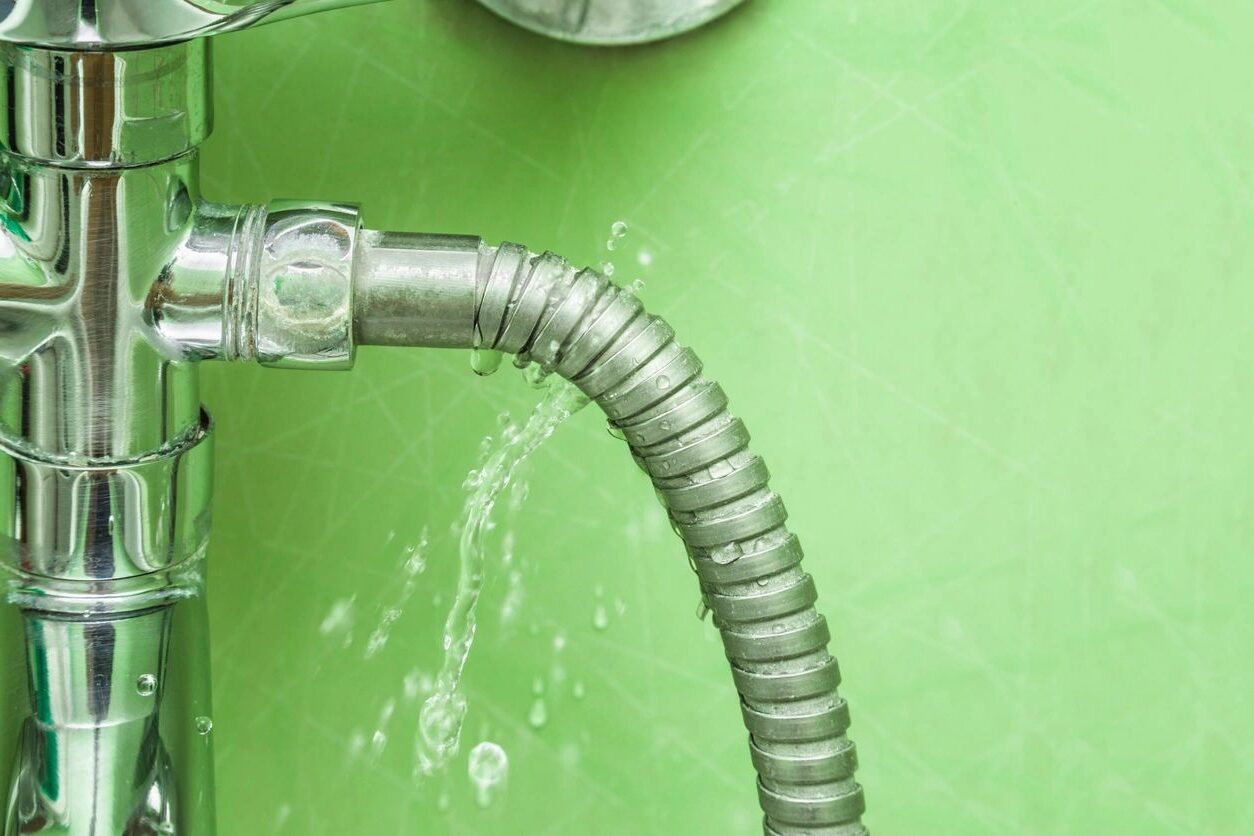
Water pressure problems often signal bigger issues lurking behind walls or under slabs. When some fixtures work perfectly while others struggle with weak pressure, you’re likely dealing with a leak in that specific area.
Pay attention to your toilets—they’re common culprits for hidden leaks. Drop a few drops of food coloring into the tank and wait about ten minutes without flushing. If color appears in the bowl, your toilet is leaking water from the tank. This might seem minor, but a leaking toilet can waste thousands of gallons annually.
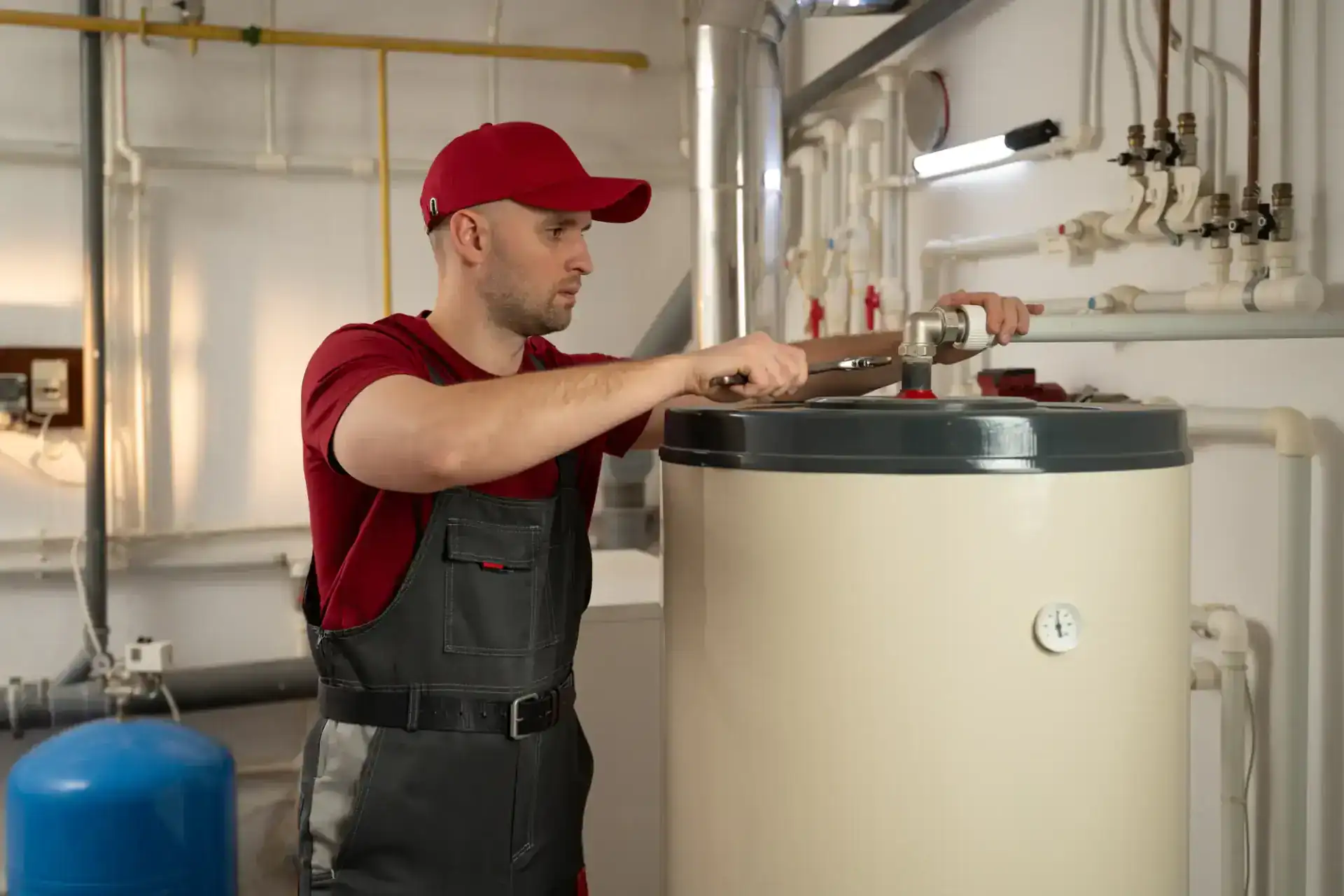
Check around your water heater regularly. Look for any discoloration, rust stains, or moisture around the connections where pipes enter and exit the tank. These areas handle high pressure and are prone to developing slow leaks that can go unnoticed for months.
Don’t ignore changes in your home’s environment either. Unexplained mold growth, musty odors, or damp spots on walls and ceilings often indicate water is getting where it shouldn’t be. In Florida’s humid climate, these signs can be easy to attribute to weather, but they frequently point to plumbing problems.
You can perform a simple but effective leak detection test using your water meter. Start by locating your water meter—it’s usually near the street or where your water line enters your property. Record the current reading, then make sure no one uses any water in your home for at least two hours.
Check the meter again. If the reading has changed, you have a leak somewhere in your system. The bigger the change, the more significant the leak. This test works because your plumbing system should be completely static when no water is being used.
For a more thorough approach, test different sections of your plumbing system. If your home has a main shutoff valve inside, turn it off and see if the meter stops moving. If it does, the leak is somewhere between that valve and your fixtures. If the meter continues moving, the leak is in the line between your meter and that main valve.
You can also inspect accessible areas where leaks commonly develop. Look under sinks, around washing machine connections, and near your water heater for signs of moisture, mineral deposits, or corrosion. These visual clues often reveal slow leaks before they become major problems.
Check your irrigation system if you have one. Leaks in sprinkler lines can be particularly wasteful and often go unnoticed because they’re underground. Look for areas of your yard that are unusually green or soggy, or spots where the ground seems to be sinking.
Want live answers?
Connect with a A.T.A’s Plumbing expert for fast, friendly support.
Sometimes leaks hide in places you simply can’t reach or detect with basic methods. That’s when professional leak detection services become invaluable—and often much less expensive than the alternative of guessing wrong.
We use specialized equipment that can pinpoint leaks without destructive digging or wall removal. This technology-driven approach saves you money and prevents unnecessary damage to your property.
The investment in professional leak detection typically pays for itself by preventing extensive water damage and avoiding the cost of unnecessary repairs to the wrong areas.
Thermal imaging cameras detect temperature differences that indicate water leaks behind walls or under floors. A leak from a hot water line shows up as a warmer area, while cold water leaks appear cooler than surrounding surfaces. This technology allows us to see what’s happening inside your walls without opening them up.
Acoustic leak detection equipment listens for the specific sounds that water makes when it escapes from pipes under pressure. Professional-grade listening devices can detect these sounds through concrete, drywall, and soil. As the equipment moves closer to the leak source, the sound changes, leading our technicians directly to the problem area.
Camera line inspections involve threading a small, waterproof camera through your plumbing system to visually inspect pipes from the inside. This method is particularly effective for sewer lines and main water lines, allowing us to see exactly what’s causing problems—whether it’s a crack, root intrusion, or collapsed section.
Pressure testing involves isolating sections of your plumbing system and pressurizing them while monitoring for pressure drops. When pressure decreases in a closed system, it indicates water is escaping somewhere in that section.
These methods work together to provide a complete picture of your plumbing system’s condition. Our professional leak detection services can typically locate problems within a few hours, compared to days or weeks of guesswork that might involve tearing up floors or walls unnecessarily.
Pasco County’s housing stock presents unique challenges for leak detection. Many homes in our area were built in the 1950s and 1960s, meaning their plumbing systems are approaching or have exceeded their expected lifespan. Original galvanized pipes and early plastic materials are particularly prone to failure.
Florida’s environmental factors accelerate plumbing problems. Our high humidity promotes corrosion, hard water creates mineral buildup that stresses pipes, and homes near the coast deal with salt air that degrades metal components faster than in other climates.
The sandy soil common throughout Pasco County can mask underground leaks. Water from a broken pipe may not surface for weeks or months because it’s absorbed into the ground. By the time you notice soggy areas in your yard, significant water loss has already occurred.
Professional leak detection becomes even more critical when you consider that many insurance companies require prompt action when leaks are discovered. Waiting too long to address a known leak can affect your coverage for related damage.
As local plumbers familiar with Pasco County’s specific challenges, we understand which areas of older homes are most likely to develop problems. We know how to navigate the common issues with galvanized pipes, polybutylene plumbing, and the effects of our local water conditions on different pipe materials.
The cost of professional leak detection is typically a fraction of what you’d spend on water damage restoration, mold remediation, or foundation repairs that can result from undetected leaks. When you factor in the potential for structural damage and health issues from prolonged moisture problems, professional detection services provide significant value.
Customer Testimonials
Don’t wait for a small leak to become a major disaster. The longer water escapes from your plumbing system, the more damage it can cause and the more expensive repairs become.
Start with the simple tests you can perform yourself, but recognize when it’s time to call in professionals. If your water meter test confirms a leak but you can’t locate it through visual inspection, professional leak detection services can pinpoint the problem quickly and accurately.
Remember that early detection saves money in multiple ways—lower water bills, prevention of property damage, and avoiding the need for extensive repairs. When you need reliable leak detection services in Pasco County, we at A.T.A’s Plumbing combine professional expertise with honest, transparent service to protect your home and your budget.
Article details:
Continue learning: