Florida's mineral-rich water creates serious problems for San Antonio homeowners, from clogged pipes to failed water heaters.

Summary:
Florida’s tap water originates from groundwater that passes through mineral-rich soil and stone, where calcium and magnesium dissolve into the water supply, with hardness often fluctuating up to 17 grains per gallon. Florida has an average water hardness of 216 PPM, which is considered extremely hard.
San Antonio’s location puts it squarely in this hard water zone. The Floridan Aquifer system that supplies our region naturally picks up these minerals as water moves through underground limestone formations. While perfectly safe to drink, this mineral content creates ongoing challenges for every plumbing system in the area.
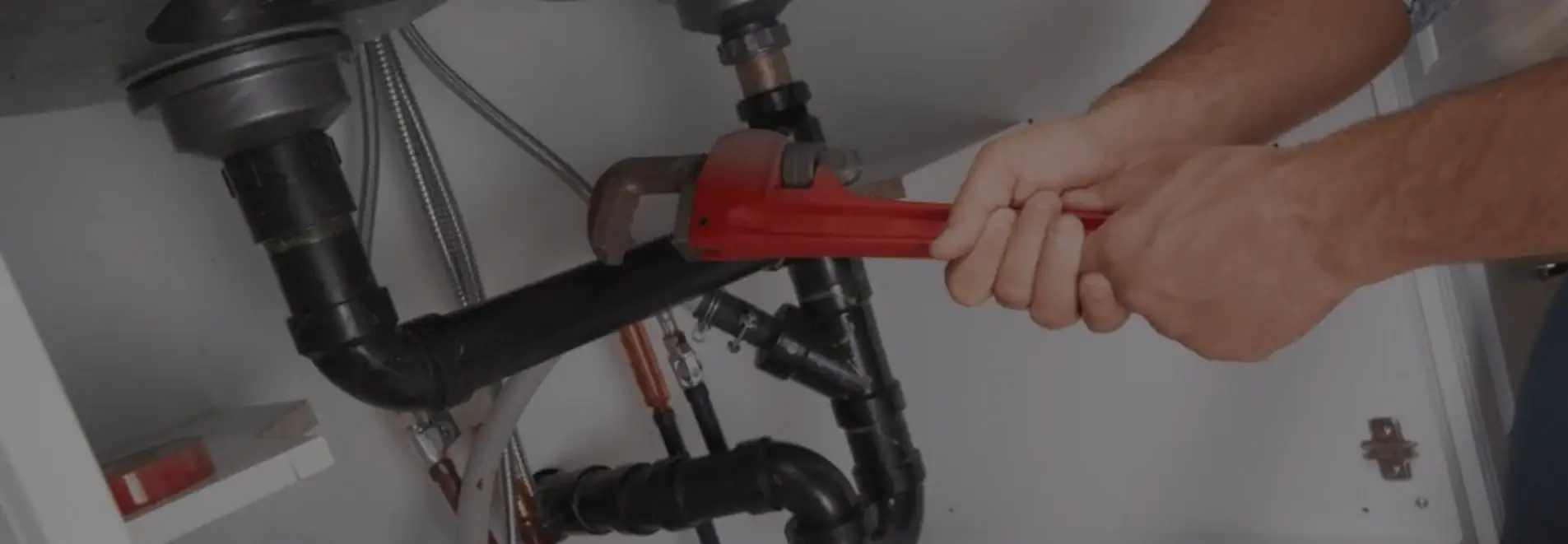
The minerals in hard water build up inside your pipes, sink fixtures, showerheads, dishwasher and water heater over time. The buildup you cannot see starts to cause all sorts of plumbing problems, such as reduced water flow, clogs, and increased stress on pipes and fixtures.
Think of it like cholesterol in arteries. Every time water flows through your pipes, it leaves behind microscopic mineral deposits. Over months and years, these deposits accumulate into thick scale that narrows pipe openings and creates rough surfaces where more buildup can stick.
Hard water causes limescale buildup inside your pipes, restricting water flow and increasing pressure. Over time, this added strain weakens pipes, leading to leaks, clogs, and even pipe bursts. What starts as barely noticeable reduced pressure gradually becomes a serious structural problem that can cost thousands to repair.
The process accelerates in hot water lines, where heat causes minerals to precipitate out of solution faster. This explains why water heaters and hot water pipes typically show damage first. Corrosion from hard water often leads to undetected leaks, causing water damage behind walls and under floors, resulting in warped wood, ruined drywall, and even mold growth.
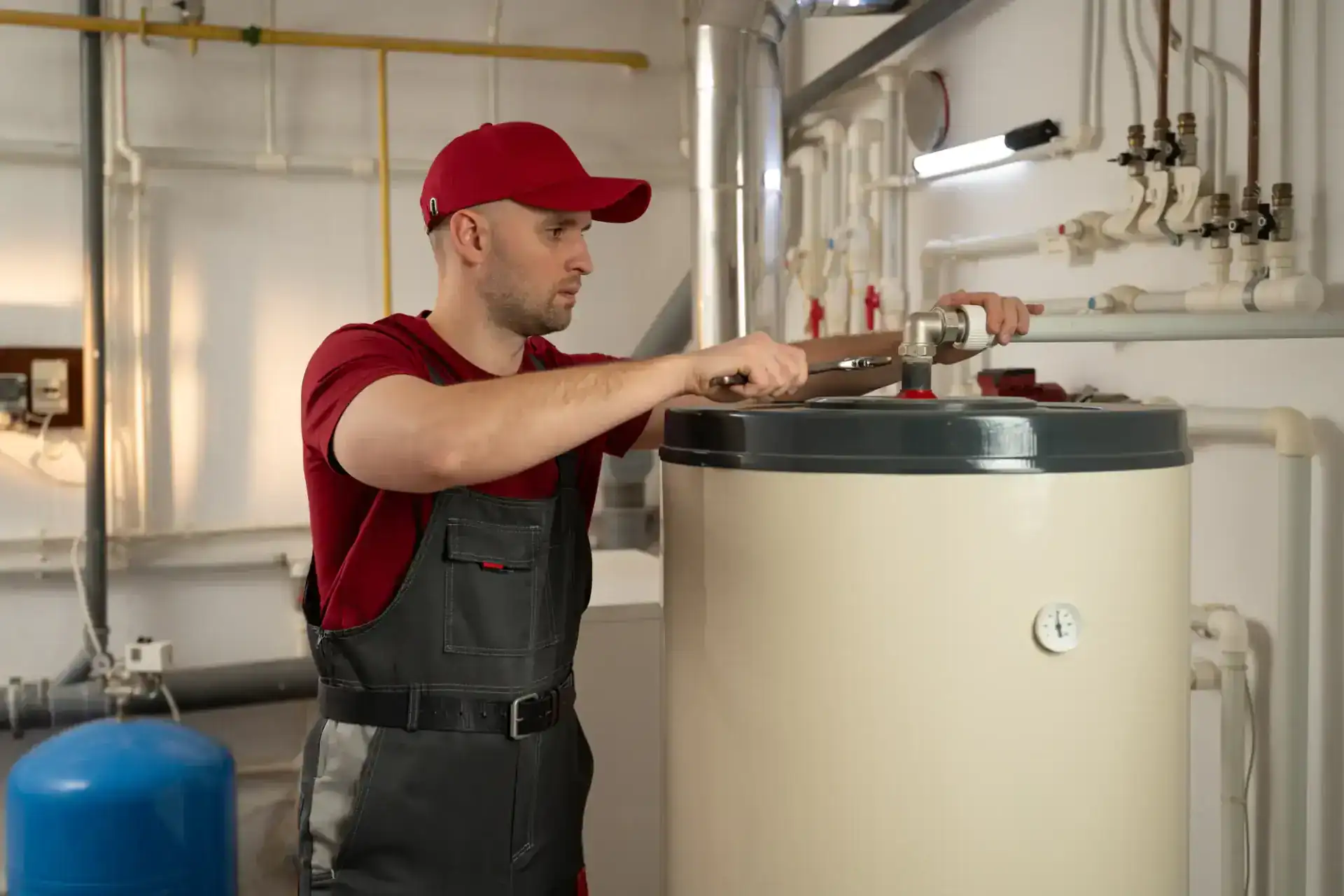
Most plumbing repairs are caused by hard water, including 86% of all water heater failures. Your water heater bears the brunt of hard water damage because it combines the two factors that accelerate mineral buildup: heat and time.
A water heater has to heat all of the mineral scale buildup inside the tank and burn out your electric water heater’s heating element over time. Your water heater will also fill up with these minerals, turning your 40-gallon water heater into a 20-gallon water heater since there’s no more room for water inside.
This creates a vicious cycle. As scale builds up, your water heater works harder to heat the same amount of water, using more energy and generating more heat that causes even faster mineral precipitation. When scale builds up in water heaters, it takes more energy to heat the water. This inefficiency results in higher utility costs over time.
The heating elements in electric units become encased in mineral deposits, forcing them to work harder until they burn out completely. Gas units develop hot spots on the tank bottom where scale insulates the metal from proper heat transfer. Both scenarios lead to premature failure and expensive replacements that could have been prevented with proper water treatment.
Want live answers?
Connect with a ATA's Plumbing expert for fast, friendly support.
Recognizing these signs is the first step to addressing hard water problems. Most homeowners notice surface symptoms long before they realize the extent of hidden damage occurring behind walls and inside appliances.
The key is understanding that visible problems represent just the tip of the iceberg. If you’re seeing mineral buildup on fixtures, similar accumulation is happening throughout your entire plumbing system.
Hard water leaves visible limescale buildup on fixtures, stains sinks and bathtubs, and clogs showerheads. If you’ve noticed white spots on your dishes or a chalky residue in your sinks and bathtubs, that’s hard water at work. These deposits can be tough to clean and leave your home looking less pristine.
White, chalky deposits around faucet aerators and showerheads indicate mineral buildup that’s also occurring inside your pipes. These deposits feel rough and crusty, and they return quickly even after thorough cleaning. Have you noticed a white buildup on your showerheads? Do your showerheads clog up quite often? This surface buildup mirrors what’s happening throughout your plumbing system.
Soap scum that seems impossible to remove is another telltale sign. Hard water doesn’t mix well with soap, which can leave a film on your skin and hair. It can cause dryness, irritation and dull hair and leave you with a frustrating personal care routine. The same minerals that prevent soap from lathering properly also interfere with cleaning products’ effectiveness throughout your home.
Rust in your dishwasher means that your water is probably a lot harder than average. We see rusty dishwashers in San Antonio quite often and these are machines that are only a few years old and should NOT have rust in them. This premature appliance aging represents expensive replacement costs that proper water treatment could prevent.
The most obvious sign that your pipes are rusting through and need to be replaced is recurring pipe leaks. If you get 3 or more leaks in less than 6 months, your pipes most likely need to be replaced. These aren’t random failures—they’re systematic breakdown caused by ongoing mineral damage.
A sudden spike in your water bill without a corresponding increase in usage is often caused by hidden leaks or inefficiencies in the plumbing system. One way to test for any leaks in your plumbing is to turn off all water appliances in the house and outdoors, then locate and watch the numbers on your home’s water meter. If the numbers go up after 20-30 minutes, you have a leak. And the faster those numbers go up, the larger the leak.
Low water pressure—a noticeable drop in water pressure could point to mineral buildup, corrosion, or leaks within the pipes. In Florida, hard water accelerates mineral deposits, further clogging pipes. What feels like a minor inconvenience actually indicates serious restriction in your plumbing system that will only worsen over time.
Noisy pipes—rattling, banging, or clanging sounds coming from your pipes often indicate loose fittings, water hammer, or age-related issues. Persistent noise suggests the need for a plumbing overhaul. These sounds often occur because mineral buildup has changed water flow patterns, creating turbulence and pressure changes that stress pipe connections.
Customer Testimonials
Investing in proactive measures, like a water softener, is essential for homeowners in hard water-prone areas like San Antonio. This solution prevents mineral buildup, extends the life of your appliances, and reduces energy and maintenance costs. Acting now will save you from the financial headaches caused by untreated hard water.
The most effective approach combines immediate repairs with long-term prevention. Regular maintenance includes flushing your water heater to remove mineral buildup, using salt in your water softener, and occasionally running your washing machines and dishwashers with a descaling agent. However, these temporary measures can’t address the underlying problem without professional water treatment systems.
We’ve served San Antonio homeowners since 2013, understanding the unique challenges our hard water creates. We’ve seen how mineral buildup destroys expensive appliances and plumbing systems, and we know which solutions provide lasting protection for your investment. When you need honest answers and transparent pricing for your hard water problems, we deliver the professional expertise that protects your home.
Continue learning: