
Hear from Our Customers
You stop worrying about whether that slow drain is going to turn into a flood. You get hot water when you need it, water pressure that doesn’t drop to a trickle when someone flushes a toilet, and pipes that aren’t leaking behind your walls where you can’t see them.
Most homes in Pasadena Hills were built around 1997. That puts them right at the age where galvanized pipes start corroding, water heaters hit their replacement timeline, and small leaks turn into expensive problems. You’re not imagining it if your plumbing feels like it’s struggling.
When your system’s working right, you’re not dealing with emergency calls on weekends or water damage that costs thousands to fix. You’re not second-guessing whether the plumber actually fixed the problem or just patched it. You know what you’re paying before the work starts, and the job gets done without surprises.
We’ve been working in Pasadena Hills since 2013, which means we’ve seen what happens to homes built in the late ’90s when their plumbing systems start showing their age. We’re state-certified with license CFC1431197, and we’re certified for water heater installation and gas line work.
We’re not the biggest plumbing contractor in Pasco County, and that’s intentional. Every job gets one-on-one attention because Tyrone handles consultations personally. You’re not getting a different tech every time or someone who’s guessing about what’s wrong with your system.
We offer a 10% discount to seniors and military members because taking care of the people who’ve taken care of this community matters. We’re BBB accredited, and we’ve built our reputation on being honest about what needs fixing now versus what can wait.
First, we schedule a consultation to see what’s going on. That means actually looking at your plumbing system, not guessing over the phone. We’ll ask about your home’s age, when you last had work done, and what symptoms you’re seeing—because low water pressure means something different in a 1997 home than it does in a new build.
Once we know what’s wrong, you get upfront pricing before any work starts. No “we’ll figure it out as we go” or surprise charges after we’re already in your walls. If we find something unexpected, we stop and talk to you about it before moving forward.
Most common repairs get handled on the first visit because we stock the parts that homes in this area actually need. For bigger jobs like water heater replacement or repiping, we walk you through the timeline and what to expect. If there’s a delay, we tell you—because honesty about scheduling beats telling you what you want to hear and then not showing up.
After the work’s done, we make sure everything’s working right before we leave. You get an explanation of what we did and why, plus what to watch for down the road.
Ready to get started?
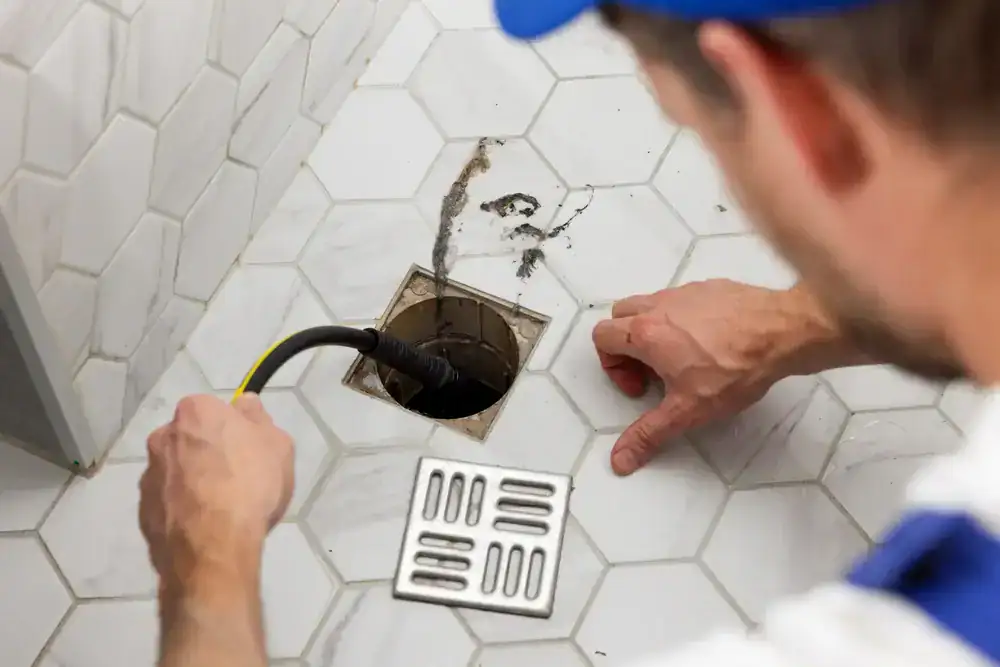
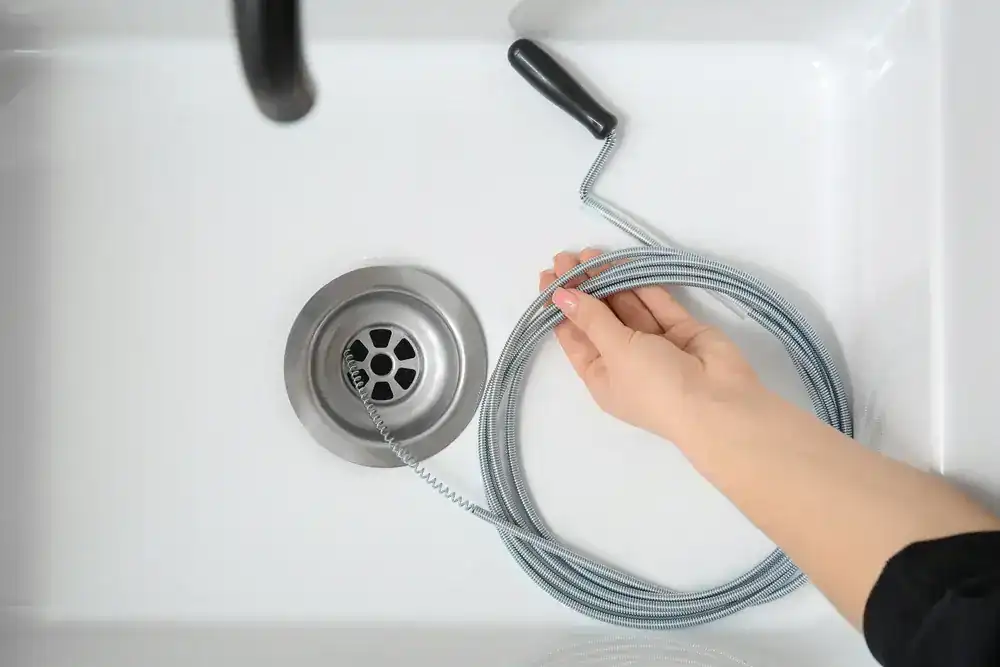
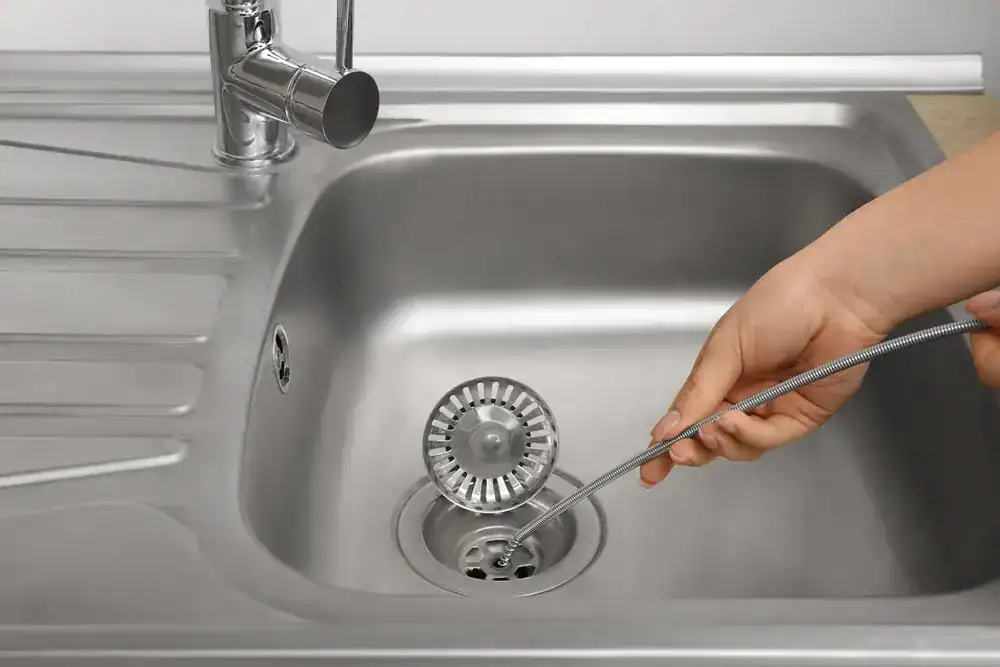
We handle everything from leak detection to full water heater replacement. That includes drain cleaning, sewer line inspections with camera equipment, pipe repairs, and fixture installations. If your home’s dealing with galvanized pipe corrosion—which is common in homes built before 2000—we can assess whether you need spot repairs or full repiping.
Florida’s hard water and humidity create specific problems that plumbers from other states don’t always understand. Sediment builds up faster in water heaters here. Pipes corrode differently. Tree roots find their way into sewer lines more aggressively because of how much everything grows in this climate.
We also do preventive inspections, which matter more than most homeowners realize. Catching a small leak before it turns into mold growth or structural damage saves you thousands. Finding out your water heater’s about to fail before it floods your garage means you can replace it on your schedule, not in an emergency when prices are higher and availability is limited.
Emergency plumbing services are available throughout Pasco County because burst pipes and sewer backups don’t wait for business hours. We carry the most common repair parts in our trucks specifically so we can fix problems on the first visit instead of making you wait days for a part to come in.
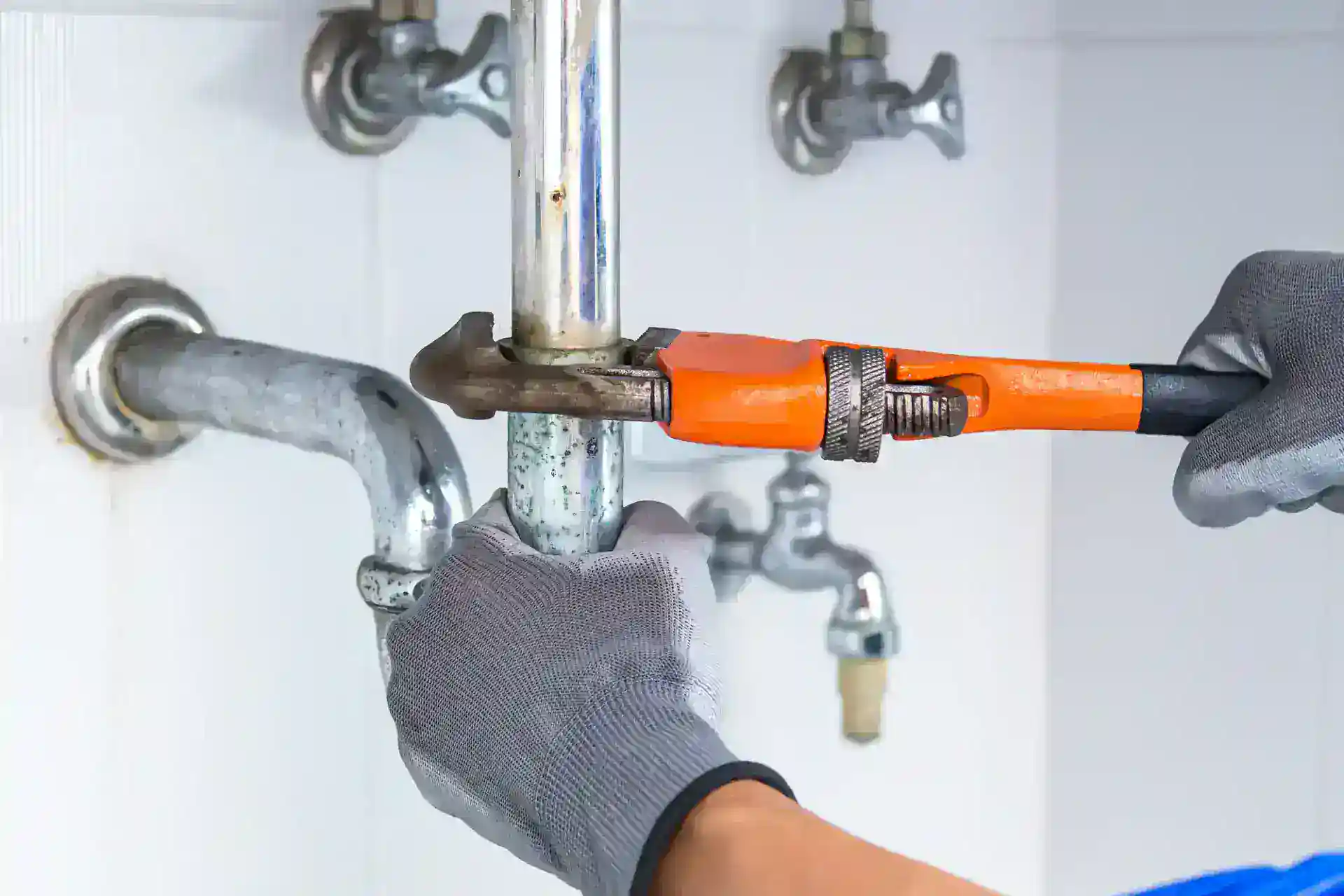
If your home was built in the late 1990s or earlier and still has galvanized steel pipes, you’re likely dealing with corrosion on the inside of those pipes. You’ll notice it as low water pressure, discolored water, or leaks that keep happening in different spots.
Spot repairs make sense when the problem’s isolated—one leaking joint, one corroded section. But if you’re seeing multiple issues or the corrosion is widespread, repiping saves you money in the long run because you’re not paying for repair after repair as different sections fail.
We can run a camera inspection to show you exactly what’s happening inside your pipes. That gives you a clear picture of whether you’re looking at a small fix or a bigger project, and you can make the call based on what’s actually going on, not guesswork.
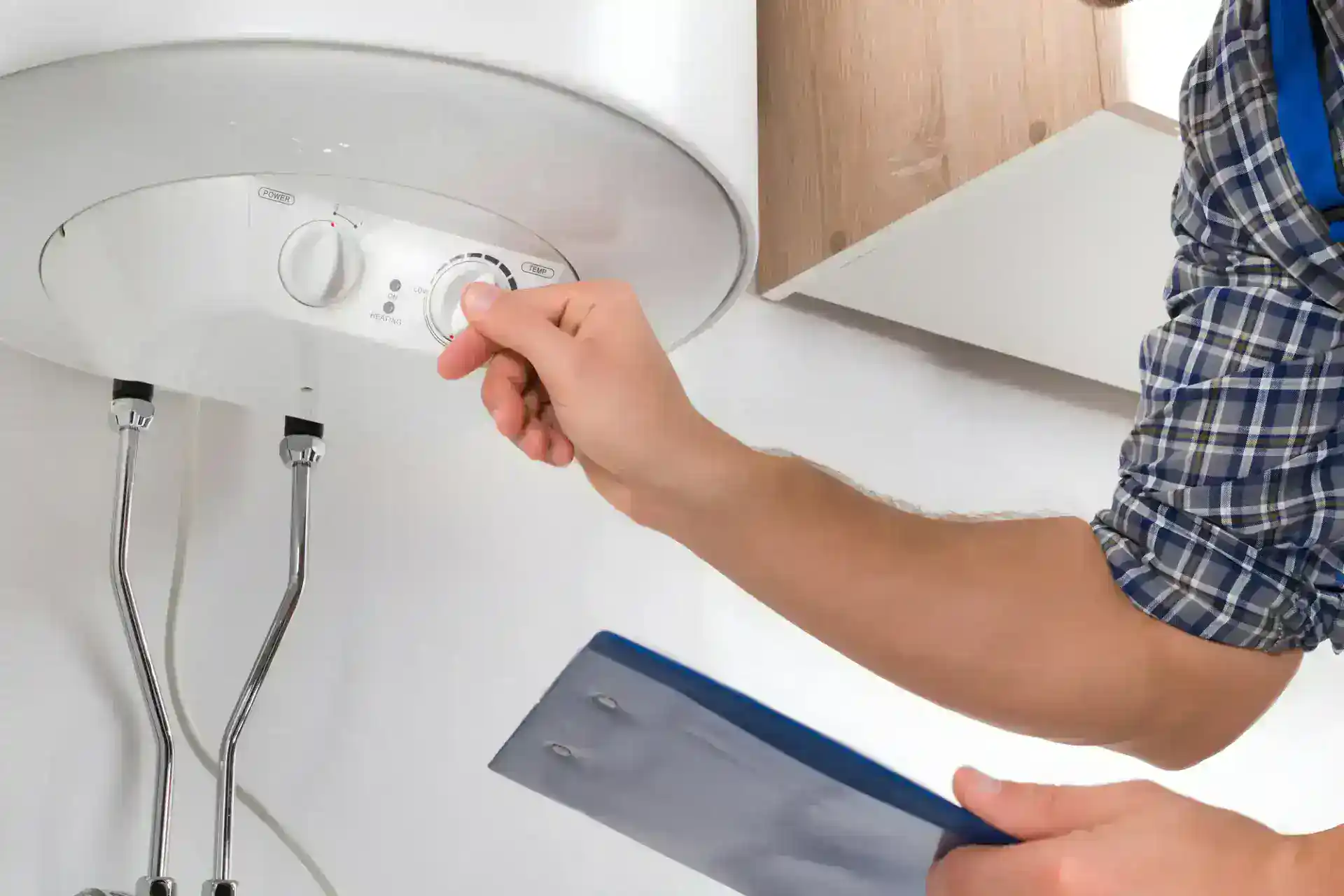
Most water heaters last 10 to 12 years in Florida, which is shorter than the 15 years you’ll see quoted for other parts of the country. The reason is Florida’s mineral-heavy water and constant use—your water heater works harder here than it would in a colder climate where people take fewer showers and use less hot water year-round.
If your water heater’s approaching 10 years old and you’re noticing it’s not keeping up with demand, making strange noises, or you’re seeing rust-colored water, it’s time to start planning for replacement. Waiting until it fails usually means you’re dealing with water damage on top of the replacement cost.
Tankless water heaters are an option, but they’re not always the right fit depending on your home’s gas line capacity and how much hot water you use at once. We can walk through what makes sense for your specific situation during a consultation.
That’s usually a sign of corroded pipes restricting water flow, or it means your pressure regulator isn’t working right. In homes built in the ’90s with original galvanized pipes, corrosion builds up on the inside of the pipes over time and narrows the space water can flow through.
When one fixture is running, there’s enough pressure. But when two or more fixtures are pulling water at the same time, the system can’t keep up because those narrowed pipes create a bottleneck. It’s the same reason you might notice weaker pressure in fixtures that are farther from your main water line.
A pressure test and inspection can tell you whether you’re dealing with a pressure regulator issue—which is a simple fix—or corroded pipes that need replacing. If it’s the pipes, you’ll keep having the same problem until you address the corrosion.
Simple repairs like fixing a leaky faucet or unclogging a drain typically run a few hundred dollars. Bigger jobs like water heater replacement, sewer line repair, or repiping cost more—anywhere from $1,500 to $10,000+ depending on the scope of work and how much of your plumbing system needs attention.
You’ll see cheaper quotes from unlicensed plumbers or handymen, but that comes with risk. If the work isn’t done to code or something goes wrong, your homeowner’s insurance might not cover the damage. Plus, you’re paying someone to fix it again when it fails.
We give you upfront pricing before starting any work, so you know exactly what you’re paying and why. If we find something unexpected once we’re into the job, we stop and talk to you about it before adding to the bill. No surprises, no inflated costs after we’ve already started.
First, shut off the water. If it’s one fixture leaking, turn off the valve under that sink or toilet. If it’s a burst pipe or you can’t find the source, shut off your main water line—usually located near your water meter or where the line enters your house.
If you’re dealing with a sewage backup, don’t use any water in your house until it’s fixed. Every time you flush a toilet or run a sink, you’re adding to the backup. Open windows if you can, and keep people and pets away from the affected area.
Call us for emergency plumbing service. We handle urgent calls throughout Pasco County because we know these situations can’t wait. Most emergency repairs get done the same day because we stock common parts and have the equipment to handle burst pipes, sewer backups, and major leaks without needing to order specialty items.
If you’re having recurring backups, slow drains throughout your house, or you’re seeing sewage in your yard, a camera inspection shows you exactly what’s causing the problem. We run a high-definition camera through your sewer line and record what we find—tree roots, cracks, collapsed sections, or blockages.
That matters because the fix is different depending on what’s wrong. Tree roots might need hydro jetting or root removal. A collapsed pipe needs repair or replacement. A simple clog can be cleared without tearing up your yard. Without seeing inside the pipe, you’re guessing.
You get a written report and video footage showing what we found, where the problem is, and how deep the line is buried. That gives you a clear picture of what needs to happen and why, plus it’s documentation you can use if you need to file an insurance claim or you’re selling your home and the buyer wants to know about the sewer line condition.
If your home was built in the late 1990s or earlier and still has galvanized steel pipes, you’re likely dealing with corrosion on the inside of those pipes. You’ll notice it as low water pressure, discolored water, or leaks that keep happening in different spots.
Spot repairs make sense when the problem’s isolated—one leaking joint, one corroded section. But if you’re seeing multiple issues or the corrosion is widespread, repiping saves you money in the long run because you’re not paying for repair after repair as different sections fail.
We can run a camera inspection to show you exactly what’s happening inside your pipes. That gives you a clear picture of whether you’re looking at a small fix or a bigger project, and you can make the call based on what’s actually going on, not guesswork.
Most water heaters last 10 to 12 years in Florida, which is shorter than the 15 years you’ll see quoted for other parts of the country. The reason is Florida’s mineral-heavy water and constant use—your water heater works harder here than it would in a colder climate where people take fewer showers and use less hot water year-round.
If your water heater’s approaching 10 years old and you’re noticing it’s not keeping up with demand, making strange noises, or you’re seeing rust-colored water, it’s time to start planning for replacement. Waiting until it fails usually means you’re dealing with water damage on top of the replacement cost.
Tankless water heaters are an option, but they’re not always the right fit depending on your home’s gas line capacity and how much hot water you use at once. We can walk through what makes sense for your specific situation during a consultation.
That’s usually a sign of corroded pipes restricting water flow, or it means your pressure regulator isn’t working right. In homes built in the ’90s with original galvanized pipes, corrosion builds up on the inside of the pipes over time and narrows the space water can flow through.
When one fixture is running, there’s enough pressure. But when two or more fixtures are pulling water at the same time, the system can’t keep up because those narrowed pipes create a bottleneck. It’s the same reason you might notice weaker pressure in fixtures that are farther from your main water line.
A pressure test and inspection can tell you whether you’re dealing with a pressure regulator issue—which is a simple fix—or corroded pipes that need replacing. If it’s the pipes, you’ll keep having the same problem until you address the corrosion.
Simple repairs like fixing a leaky faucet or unclogging a drain typically run a few hundred dollars. Bigger jobs like water heater replacement, sewer line repair, or repiping cost more—anywhere from $1,500 to $10,000+ depending on the scope of work and how much of your plumbing system needs attention.
You’ll see cheaper quotes from unlicensed plumbers or handymen, but that comes with risk. If the work isn’t done to code or something goes wrong, your homeowner’s insurance might not cover the damage. Plus, you’re paying someone to fix it again when it fails.
We give you upfront pricing before starting any work, so you know exactly what you’re paying and why. If we find something unexpected once we’re into the job, we stop and talk to you about it before adding to the bill. No surprises, no inflated costs after we’ve already started.
First, shut off the water. If it’s one fixture leaking, turn off the valve under that sink or toilet. If it’s a burst pipe or you can’t find the source, shut off your main water line—usually located near your water meter or where the line enters your house.
If you’re dealing with a sewage backup, don’t use any water in your house until it’s fixed. Every time you flush a toilet or run a sink, you’re adding to the backup. Open windows if you can, and keep people and pets away from the affected area.
Call us for emergency plumbing service. We handle urgent calls throughout Pasco County because we know these situations can’t wait. Most emergency repairs get done the same day because we stock common parts and have the equipment to handle burst pipes, sewer backups, and major leaks without needing to order specialty items.
If you’re having recurring backups, slow drains throughout your house, or you’re seeing sewage in your yard, a camera inspection shows you exactly what’s causing the problem. We run a high-definition camera through your sewer line and record what we find—tree roots, cracks, collapsed sections, or blockages.
That matters because the fix is different depending on what’s wrong. Tree roots might need hydro jetting or root removal. A collapsed pipe needs repair or replacement. A simple clog can be cleared without tearing up your yard. Without seeing inside the pipe, you’re guessing.
You get a written report and video footage showing what we found, where the problem is, and how deep the line is buried. That gives you a clear picture of what needs to happen and why, plus it’s documentation you can use if you need to file an insurance claim or you’re selling your home and the buyer wants to know about the sewer line condition.