
Hear from Our Customers
You turn on the tap and water flows at full pressure. Your drains empty fast. Your water heater delivers hot water when you need it.
That’s what happens when someone fixes the actual problem instead of slapping a patch on it. Most homes in Zephyrhills North were built in the ’70s, ’80s, and ’90s. The plumbing in those homes wasn’t designed to last forever, and by now, you’re seeing the proof.
Polybutylene pipes get brittle and crack. Galvanized steel corrodes from the inside out until your water pressure drops to a trickle. Hard water leaves mineral deposits that clog everything. Tree roots work their way into sewer lines during wet season.
We’ve been handling these exact issues since 2013. We know what fails first in older homes, and we know how to fix it so it doesn’t fail again next year. You get upfront pricing before any work begins, and if we find something else while we’re in there, you’ll hear about it before we touch it.
We’ve been working in Zephyrhills North since 2013. That’s over a decade of replacing corroded galvanized pipes, clearing sewer lines packed with decades of buildup, and diagnosing water pressure problems in homes just like yours.
We’re certified for water heater installation and repair, licensed (CFC1431197), and we specialize in the kind of plumbing issues that come with older construction. When your home was built, they used materials that seemed fine at the time. Now those materials are failing, and you need someone who knows how to work with what’s already there.
We show up when we say we will. We tell you what’s wrong in plain language. We give you the price before we start. And if something takes longer than expected or we find additional problems, you’ll know exactly why and what it’ll cost to address it. Seniors and military members get 10% off.
You call and describe what’s happening. We ask a few questions to understand whether it’s an emergency that needs same-day service or something we can schedule.
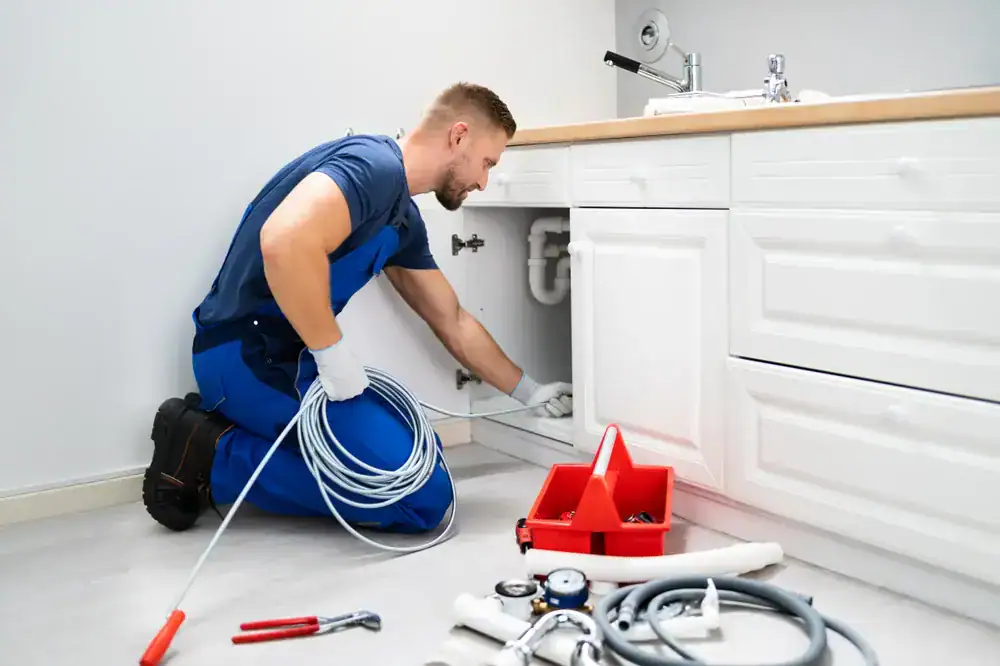
We show up on time with the right equipment. For most jobs, that means camera inspection tools to see inside your pipes, hydro jetting equipment for serious clogs, and the replacement parts that commonly fail in homes your age. We assess the situation and give you an honest diagnosis.
Before we do anything, you get the price. If it’s a straightforward fix, we handle it. If we find something else while we’re working, we stop and show you what we found. You decide whether to address it now or later, and you know the cost either way.
Once the work’s done, we test everything to make sure it’s actually fixed. You’re not paying for a temporary patch that’ll fail in six months. You’re getting a repair that accounts for your home’s age, your water quality, and the way your plumbing system actually works.

Ready to get started?
Plumbing repairs in Zephyrhills North cover everything from leaking pipes to failing water heaters. The most common issues we handle are pipe repairs and replacements, especially polybutylene and galvanized steel that’s reached the end of its lifespan.
Water heater repair and replacement is a big part of what we do. Florida’s hard water is tough on heating elements, and when a water heater fails, it usually floods your utility room. We handle both traditional tank units and newer tankless systems.
Drain cleaning and sewer line repair come up constantly in this area. Tree roots infiltrate aging sewer pipes during wet season. Grease, hair, and soap scum collect in pipe bellies where your foundation has settled over the years. We use hydro jetting to clear blockages and camera inspection to find exactly where the problem is.
Fixture repairs and replacements, leak detection, and emergency plumbing repairs round out the service. If water’s going where it shouldn’t or not flowing where it should, that’s what we fix. The hard water in Zephyrhills North accelerates wear on everything, so even newer fixtures can fail faster than they should.

It depends entirely on what’s broken and what it takes to fix it right. A leaking fixture might cost a couple hundred dollars. Replacing a section of corroded galvanized pipe could run more, especially if it’s inside a wall.
We give you the exact price before we start any work. You’ll know what you’re paying and what you’re getting for it. No surprises, no padding, no “we’ll see once we get in there” unless we actually find something unexpected, and then we stop and give you options.
The real cost isn’t just the repair itself. It’s whether the fix lasts or whether you’re calling someone back in six months. We use materials that hold up to Florida’s water conditions and techniques that account for how old your home is. That costs a bit more upfront, but it saves you from doing the same job twice.
Polybutylene pipes are the biggest issue. If your home was built between the ’70s and mid-’90s, there’s a good chance you have them. They react with chlorine in the water and become brittle over time. Eventually they crack, usually at the fittings, and you’ve got a leak.
Galvanized steel pipes are the other major problem. They corrode from the inside, and you won’t know it until your water pressure drops or the pipe finally rusts through. If your water comes out brown when you first turn on the tap, that’s galvanized pipe shedding rust.
Hard water causes mineral buildup throughout your system. It coats the inside of pipes, clogs fixture aerators, and kills water heater elements faster than they should fail. Sewer lines in older homes weren’t designed for modern appliance loads, and tree roots find their way in during Florida’s wet seasons. Foundation settling creates low spots in drain lines where debris collects and causes recurring clogs.
Yes, for actual emergencies. Burst pipes, sewer backups, major leaks, water heaters flooding your utility room—those get handled the same day you call.
We don’t charge emergency rates for things that can wait until tomorrow. If your toilet’s running or you’ve got a slow drain, that’s not an emergency. We’ll get you scheduled quickly, but you’re not paying a premium for urgency you don’t need.
When we do respond to an emergency, we show up with diagnostic equipment to figure out what’s actually wrong, not just where the water’s coming from. A burst pipe might be the immediate problem, but if it burst because your water pressure’s too high or because the pipe was already corroded, we need to address that too. You get the full picture before we start work, even in an emergency.
If you’re dealing with polybutylene or heavily corroded galvanized steel, replacement makes more sense than patching. Those materials fail in multiple places, not just one. Fix one leak and another springs up six months later.
The decision comes down to how much of your plumbing is affected and how long you plan to stay in the house. If you’ve got galvanized pipes throughout and you’re planning to live there for years, replacing them with PEX or copper saves you from constant repairs and gives you better water pressure.
If it’s just one section that’s failing and the rest of your plumbing is in decent shape, a targeted repair might be the smarter move. We’ll tell you honestly what we’re seeing and what makes sense for your situation. Some plumbers push whole-house repiping because it’s a bigger job. We’d rather you spend money on what you actually need.
Age is the first indicator. Most tank water heaters last 8-12 years in Florida because of hard water. If yours is in that range and it’s acting up, replacement usually makes more sense than repair.
If you’re seeing rusty water only from the hot side, hearing banging or popping noises, or finding water pooling around the base, those are signs of serious problems. Rusty water means the tank’s corroding from inside. Noise means mineral buildup on the heating elements. Water at the base usually means the tank itself is leaking, and that’s not repairable.
For newer units, most problems are fixable. Heating elements burn out, thermostats fail, pressure relief valves go bad. Those are straightforward repairs that cost a fraction of replacement. We’ll inspect your water heater, tell you what’s wrong, and give you honest advice on whether repair or replacement makes sense based on the unit’s age and condition.
Low pressure throughout the whole house usually means one of three things: a problem with the main supply line, corroded pipes restricting flow, or mineral buildup from hard water.
Check with your neighbors first. If they’re experiencing the same thing, it’s likely a municipal supply issue and there’s nothing wrong with your plumbing. If it’s just your house, the problem’s on your side of the meter.
Galvanized pipes corrode from the inside and gradually restrict water flow over years. By the time you notice low pressure, the pipes are usually in bad shape throughout. Mineral deposits from hard water cause similar problems but develop faster. We use camera inspection to see what’s happening inside your pipes and pressure testing to pinpoint where the restriction is. Sometimes it’s a partially closed valve or a failing pressure regulator, which are easy fixes. More often in older Zephyrhills North homes, it’s pipe condition, and that requires replacement of the affected sections.
It depends entirely on what’s broken and what it takes to fix it right. A leaking fixture might cost a couple hundred dollars. Replacing a section of corroded galvanized pipe could run more, especially if it’s inside a wall.
We give you the exact price before we start any work. You’ll know what you’re paying and what you’re getting for it. No surprises, no padding, no “we’ll see once we get in there” unless we actually find something unexpected, and then we stop and give you options.
The real cost isn’t just the repair itself. It’s whether the fix lasts or whether you’re calling someone back in six months. We use materials that hold up to Florida’s water conditions and techniques that account for how old your home is. That costs a bit more upfront, but it saves you from doing the same job twice.
Polybutylene pipes are the biggest issue. If your home was built between the ’70s and mid-’90s, there’s a good chance you have them. They react with chlorine in the water and become brittle over time. Eventually they crack, usually at the fittings, and you’ve got a leak.
Galvanized steel pipes are the other major problem. They corrode from the inside, and you won’t know it until your water pressure drops or the pipe finally rusts through. If your water comes out brown when you first turn on the tap, that’s galvanized pipe shedding rust.
Hard water causes mineral buildup throughout your system. It coats the inside of pipes, clogs fixture aerators, and kills water heater elements faster than they should fail. Sewer lines in older homes weren’t designed for modern appliance loads, and tree roots find their way in during Florida’s wet seasons. Foundation settling creates low spots in drain lines where debris collects and causes recurring clogs.
Yes, for actual emergencies. Burst pipes, sewer backups, major leaks, water heaters flooding your utility room—those get handled the same day you call.
We don’t charge emergency rates for things that can wait until tomorrow. If your toilet’s running or you’ve got a slow drain, that’s not an emergency. We’ll get you scheduled quickly, but you’re not paying a premium for urgency you don’t need.
When we do respond to an emergency, we show up with diagnostic equipment to figure out what’s actually wrong, not just where the water’s coming from. A burst pipe might be the immediate problem, but if it burst because your water pressure’s too high or because the pipe was already corroded, we need to address that too. You get the full picture before we start work, even in an emergency.
If you’re dealing with polybutylene or heavily corroded galvanized steel, replacement makes more sense than patching. Those materials fail in multiple places, not just one. Fix one leak and another springs up six months later.
The decision comes down to how much of your plumbing is affected and how long you plan to stay in the house. If you’ve got galvanized pipes throughout and you’re planning to live there for years, replacing them with PEX or copper saves you from constant repairs and gives you better water pressure.
If it’s just one section that’s failing and the rest of your plumbing is in decent shape, a targeted repair might be the smarter move. We’ll tell you honestly what we’re seeing and what makes sense for your situation. Some plumbers push whole-house repiping because it’s a bigger job. We’d rather you spend money on what you actually need.
Age is the first indicator. Most tank water heaters last 8-12 years in Florida because of hard water. If yours is in that range and it’s acting up, replacement usually makes more sense than repair.
If you’re seeing rusty water only from the hot side, hearing banging or popping noises, or finding water pooling around the base, those are signs of serious problems. Rusty water means the tank’s corroding from inside. Noise means mineral buildup on the heating elements. Water at the base usually means the tank itself is leaking, and that’s not repairable.
For newer units, most problems are fixable. Heating elements burn out, thermostats fail, pressure relief valves go bad. Those are straightforward repairs that cost a fraction of replacement. We’ll inspect your water heater, tell you what’s wrong, and give you honest advice on whether repair or replacement makes sense based on the unit’s age and condition.
Low pressure throughout the whole house usually means one of three things: a problem with the main supply line, corroded pipes restricting flow, or mineral buildup from hard water.
Check with your neighbors first. If they’re experiencing the same thing, it’s likely a municipal supply issue and there’s nothing wrong with your plumbing. If it’s just your house, the problem’s on your side of the meter.
Galvanized pipes corrode from the inside and gradually restrict water flow over years. By the time you notice low pressure, the pipes are usually in bad shape throughout. Mineral deposits from hard water cause similar problems but develop faster. We use camera inspection to see what’s happening inside your pipes and pressure testing to pinpoint where the restriction is. Sometimes it’s a partially closed valve or a failing pressure regulator, which are easy fixes. More often in older Zephyrhills North homes, it’s pipe condition, and that requires replacement of the affected sections.